One Story. Many Angles.
Romanian outlets detail defensive alerts and helicopters while Greek coverage stresses completed naval blockade and export losses.
Romanian coverage treats the strikes as a direct border-security test. Digi24 and Stiripesurse detail radar detections, the RO-Alert to Tulcea residents, and the Puma helicopter scramble, underscoring that nothing crossed into national airspace. Romania Insider instead highlights a separate July 20-21 LPG tanker fire in the Black Sea EEZ, linking it to Russian naval pressure on Ukraine-bound shipping. Ukrainian reporting from Interfax centers the human toll inside Odesa itself, naming two young civilians wounded and listing damaged homes and cars. Greek outlet Banking News widens the lens to a completed naval blockade, citing Zelensky on lost ports, Maersk’s withdrawal, and monthly export losses nearing $900 million. The pattern shows neighbors fixated on immediate spillover mechanics while the more distant outlet extracts the strategic economic consequence.
Perspective Analysis
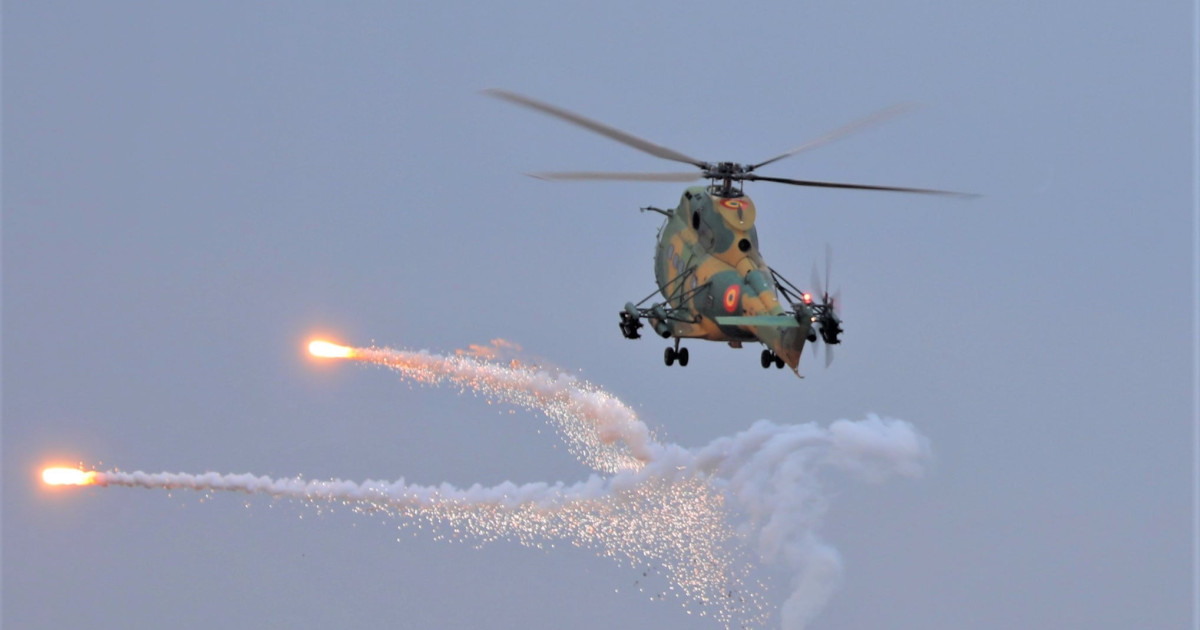
Romanian media coverage of the July 23 Russian strikes on Odesa Oblast treats the attacks as a live test of national border security rather than a distant battlefield event. Radar detections 33 kilometers north of the Danube frontier, an RO-Alert issued to Tulcea residents, and the launch of a Puma helicopter to monitor the drones all received prominent play because they directly engaged Romanian systems and citizens. No drone crossed into national airspace and no impact occurred on Romanian soil, yet the reporting centers on these defensive steps as proof that the conflict’s edge has reached Romania’s immediate vicinity.
The facts align closely across the two main Romanian outlets that covered the incident. Radar operators registered the group of targets around 00:10 on July 24. The Ministry of National Defense confirmed the Puma helicopter took off at 00:48 for monitoring, and the RO-Alert went out at 00:56 before the air alert lifted at 01:33. Both accounts stress that allied structures received real-time updates and that nothing violated Romanian sovereignty. This emphasis on procedural response and non-violation reflects a domestic audience that now lives within range of stray munitions from strikes on nearby Ukrainian targets such as Vylkove and Tatarbunari.
A separate Romanian publication took a different cut by focusing on an LPG tanker fire in the Black Sea exclusive economic zone. The Gas Lisbon, bound for the Ukrainian port of Reni, caught fire after an attack roughly 30 to 37 kilometers from the Romanian coast on the night of July 20-21. Rescue vessels evacuated the 17 crew members, three of whom needed medical care for burns and injuries. The Romanian president linked the incident to Russia’s broader campaign against Ukrainian shipping. This angle shifts attention from the July 23 drone cluster to sustained maritime pressure on energy and grain routes that pass near Romanian waters.
Ukrainian reporting from the same strikes stayed inside Odesa itself. Authorities recorded at least two civilians wounded—a 17-year-old boy and a 23-year-old girl—plus damage to residential buildings, façades, glazing, and parked cars in the city center. A separate blast wave also affected a private home in the region. The account lists the human and material cost on Ukrainian territory without reference to cross-border detections or Romanian alerts.
Greek business coverage widens the frame to strategic consequence. It presents the sustained Russian strikes on Odesa ports over 96 hours as the completion of a de facto naval blockade, citing President Zelensky’s statement that no ships could dock the previous day. Maersk’s withdrawal from Black Sea routes and monthly export revenue losses estimated near 900 million dollars receive central billing. The outlet notes that four of 13 export terminals stopped purchases and that grain handling capacity dropped sharply, with ripple effects on Ukrainian farmers facing lower prices and on international traders considering alternative Danube or Romanian port routes.
These differences follow geography and audience. Outlets in Romania, directly adjacent to the strike zone, document the mechanical steps their own forces took to avoid spillover. Ukrainian wire services record the immediate casualties their readers experience. The more distant Greek business publication extracts the cumulative economic pressure on Ukrainian exports and the resulting market shifts that affect shipping and commodity flows across the wider region. The pattern is consistent rather than contradictory: proximity drives focus on defensive mechanics and local alerts, while distance allows emphasis on the war’s longer-term effect on trade corridors.
What to Watch
Romania’s repeated activation of RO-Alert systems and helicopter scrambles signals that future strikes near the Danube will continue to trigger national procedures even when no violation occurs. Greece and other Black Sea trading states will track whether sustained port degradation forces permanent rerouting of grain and container traffic, altering competitive positions for months or years. The immediate risk for border states remains accidental escalation from debris or misidentified targets; the wider risk for trading economies is the gradual closure of Ukraine’s maritime outlets and the resulting pressure on alternative routes through Romania and elsewhere.
That’s how the world told the story.
Get tomorrow’s bulletin by email — one briefing, up to six stories.
Subscribe freeNo spam. One-click unsubscribe. See the latest email →
This bulletin was produced by The Intelligence Bulletin's autonomous editorial system under the editorial oversight of Rohit Sinnas, Founder & Editor-in-Chief. How it works →