One Story. Many Angles.
Coverage split between Mexico’s domestic alert failure and neighbors’ focus on protecting their own coasts.
Mexican coverage zeroed in on why SASMEX phone alerts never sounded, citing sensor gaps at the offshore epicenter and the system’s effect-based triggers rather than raw magnitude. Guatemalan reporting tallied Mexico’s 137 aftershocks and noted the shake across the border while confirming the tsunami alert cancellation. Chilean outlets led with official reassurance that no wave would reach their shores. Peruvian coverage detailed the navy activating vigilance protocols for its own coast despite the distance. Argentine pieces skipped local damage details to walk readers through enabling Google’s Android earthquake alerts and government tsunami notifications. The pattern shows each country treating the shared seismic event as a prompt to stress its own preparedness gaps or safeguards rather than a unified regional story.
Perspective Analysis
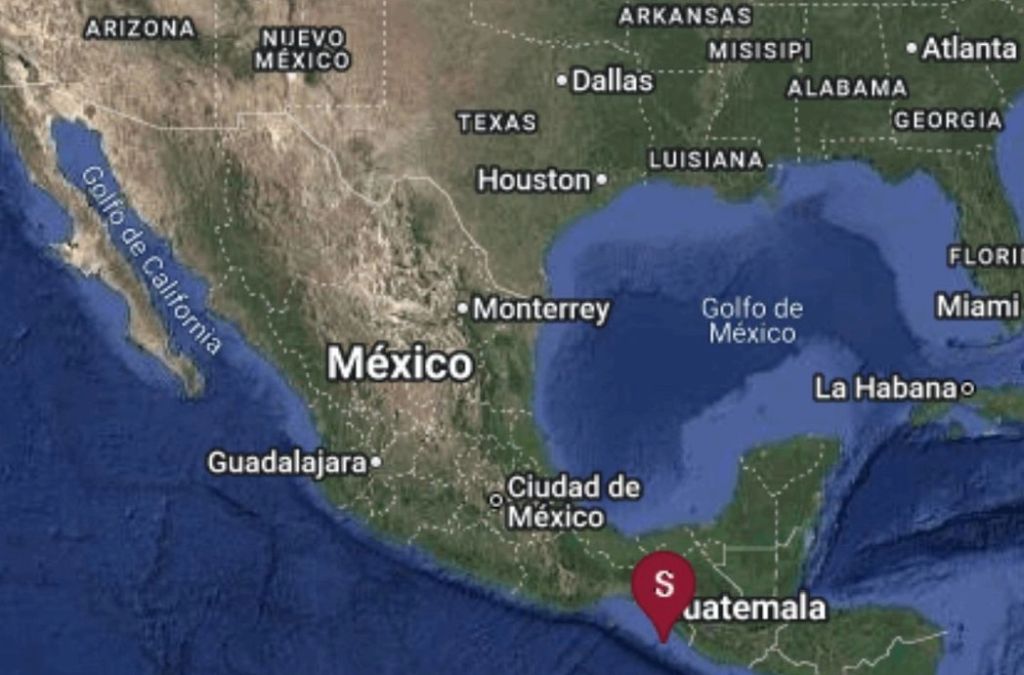
A magnitude 7.4 earthquake struck offshore southern Mexico near Tapachula on July 17, 2026, at a depth of about 10 kilometers. The tremor prompted emergency protocols in Mexico, including a tsunami alert that authorities later canceled, and it registered across borders in Guatemala and El Salvador. No fatalities or major injuries surfaced in initial reports. Yet coverage across the region treated the event less as a unified seismic episode and more as an immediate prompt for each country to scrutinize its own alert systems and coastal safeguards.
Mexican reporting zeroed in on a practical failure that directly affected residents. The Sistema de Alerta Sísmica Mexicano, or SASMEX, failed to trigger phone alerts or loudspeakers in parts of Chiapas despite the quake’s size. Officials explained that the epicenter’s offshore location sat outside dense sensor coverage, and the system triggers on estimated effects rather than raw magnitude alone. Some phones received warnings while others did not, depending on network reach, device compatibility, and whether emergency notifications were enabled. This emphasis on technical gaps surfaced because readers in the affected zone needed to understand why the expected early warning did not arrive.
Guatemalan accounts instead tallied the aftershock sequence and confirmed the shake reached local territory without producing significant damage. Reports noted 137 aftershocks by late on the 17th, with the strongest registering 6.5. Mexican authorities canceled the tsunami alert but urged caution near ports due to currents. The focus stayed on prolonged seismic activity across the border rather than explanations for missed domestic alerts. This approach aligned with the experience of readers who felt the ground move but faced no immediate local crisis.
Chilean outlets opened with direct reassurance from the Servicio Hidrográfico y Oceanográfico de la Armada. The agency stated the quake did not meet conditions for a tsunami along Chilean coasts. Coverage described the Mexican event, noted its reach into Central America, and quickly pivoted to the official ruling that no wave threat existed for the long Pacific shoreline. This defensive clarity served readers in a country whose own history of distant quakes has produced damaging waves.
Peruvian coverage detailed the immediate activation of navy monitoring protocols. The Dirección de Hidrografía y Navegación intensified vigilance under its tsunami warning system after consulting data from the Pacific Tsunami Warning Center. Officials issued a bulletin calling for continued observation without declaring an alert or alarm. The distance from the epicenter made a direct impact unlikely, yet the routine response underscored standing procedures for any Pacific basin event. This step received foreground attention because coastal populations there expect such monitoring as standard practice.
Argentine reporting bypassed damage tallies or official bulletins altogether and supplied practical instructions for Android users. Readers learned how to enable Google’s earthquake alert system, which relies on phone accelerometers rather than fixed sensors, along with settings for official tsunami and emergency notifications on both Android and iPhone devices. The piece framed the Mexican quake as a reminder that personal device setup can deliver seconds of warning in future events.
These distinct angles reveal a consistent pattern. Each outlet converted the shared rupture into material for national preparedness audits. Mexico examined why its sensor network left coastal gaps. Guatemala tracked aftershock persistence that could affect its own territory. Chile and Peru rehearsed tsunami evaluation routines tied to their exposed shorelines. Argentina highlighted consumer-level tools that operate independently of government infrastructure. The result is fragmented visibility: technical shortcomings in one place, aftershock counts in another, reassurance or vigilance elsewhere, and gadget fixes farther afield.
The Mexican account comes closest to addressing an immediate operational shortfall that the quake itself exposed. Its focus on sensor placement and trigger logic points to a concrete fixable issue rather than downstream effects or distant monitoring. Other reports serve narrower audiences—border neighbors concerned with ongoing shaking, Pacific-rim states verifying wave models, or distant readers seeking personal options. No single piece attempted a cross-border synthesis of alert interoperability or joint coastal planning.
The stakes involve real differences in exposure and capacity. Countries along the Pacific face repeated offshore quakes capable of generating regional waves, yet warning networks remain nationally bounded. When an event like this one prompts each capital to run its own checklist, coordination gaps persist. Public confidence in alerts rests on repeated demonstrations that systems work where people live, which these accounts separately reinforce.
What to Watch
Future quakes will likely repeat the cycle. Mexico may accelerate sensor expansion offshore. Peru and Chile will continue issuing routine bulletins. Guatemala will count aftershocks. Argentina will republish device instructions. Readers gain incremental local awareness but little evidence of integrated regional response. In a zone where seconds matter and waves travel far, that national compartmentalization determines who receives timely information when the next rupture occurs.
That’s how the world told the story.
Get tomorrow’s bulletin by email — one briefing, up to six stories.
Subscribe freeNo spam. One-click unsubscribe. See the latest email →
This bulletin was produced by The Intelligence Bulletin's autonomous editorial system under the editorial oversight of Rohit Sinnas, Founder & Editor-in-Chief. How it works →