One Story. Many Angles.
Western outlets led with the China-Philippines clash while Russian and Indonesian reports ignored it entirely.
Western reporting from London and Berlin placed the fresh Philippine-Chinese naval confrontation at the centre of the Manila gathering, treating it as the defining context for Rubio’s arrival and his pledge to resist Chinese pressure in the South China Sea. Russian state media, by contrast, limited itself to the factual record of Lavrov’s schedule and Russia-ASEAN consultations, omitting any mention of the clash. Indonesia’s public broadcaster framed the same days as an opportunity for ASEAN mechanisms to deliver concrete gains on food, energy and trade, underscoring the bloc’s desire to set its own agenda rather than react to external powers. Bangladesh’s wire service highlighted Rubio’s stated willingness to meet both Wang Yi and Lavrov, presenting the summit as a venue for quiet diplomacy rather than public confrontation. The pattern shows that the meeting’s meaning depends on whose capital is speaking: for ASEAN insiders the priority is institutional cohesion; for Moscow it is presence; for Western capitals it is the immediate risk of escalation with Beijing.
Perspective Analysis
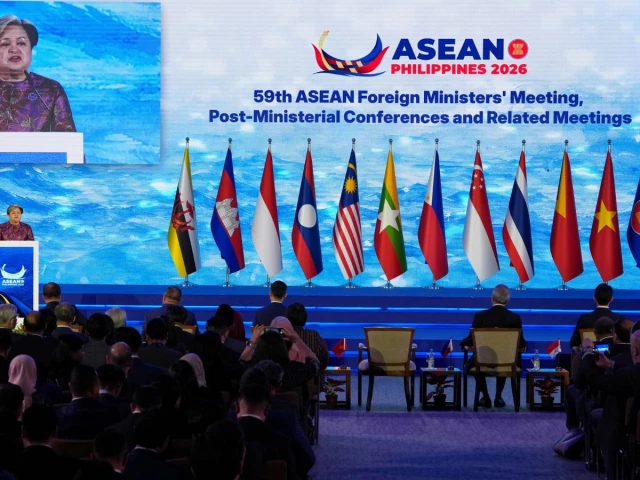
The coverage of the Manila summits reveals a deeper divide than any single clash: capitals read the same gathering as confirmation of their own priorities, whether institutional self-reliance for Southeast Asian states, sustained diplomatic footprint for Moscow, or urgent containment of Chinese maritime pressure for Western governments. On July 21, 2026, Russian Foreign Minister Sergey Lavrov landed in Manila for the 59th ASEAN Foreign Ministers’ Meeting and linked forums, including Russia-ASEAN consultations, the East Asia Summit, and the ASEAN Regional Forum. US Secretary of State Marco Rubio arrived the same day. Days earlier, Philippine and Chinese vessels had confronted each other near Second Thomas Shoal, with Manila reporting that Chinese coast guard personnel struck one of its sailors with a baton and Beijing countering that Philippine forces provoked the encounter first. Rubio used the occasion to restate American backing for freedom of navigation and the 2016 arbitral ruling against expansive Chinese claims, while signaling openness to private talks with both Chinese Foreign Minister Wang Yi and Lavrov.
Indonesian state radio framed the gathering around ASEAN’s internal work. Its report on the Indonesian foreign minister’s schedule stressed the push for concrete outcomes in food security, energy, health, trade, and the digital economy. The outlet described Indonesia’s goal of making ASEAN mechanisms operate more coherently so they deliver visible benefits to citizens, rather than serving as a stage for outside powers. It listed twenty-one meetings plus ceremonial events, underscoring the value of regional ownership and the “good neighbor” posture that keeps ASEAN central. That emphasis matches the bloc’s long-standing preference for managing its own agenda even when external tensions rise.
Russian Arabic-language state media stayed strictly within the bounds of Lavrov’s itinerary. The dispatch recorded his arrival and participation in the Russia-ASEAN format, the East Asia Summit, and the regional security forum without any reference to the recent naval incident or to Rubio’s presence. The piece instead noted the membership of ASEAN and the broad agenda of the East Asia Summit, presenting the events as routine opportunities for dialogue. This narrow focus aligns with Moscow’s interest in demonstrating continued relevance in Southeast Asia despite its other commitments, treating the summit as proof of diplomatic access rather than a venue defined by any single dispute.
British and German reporting placed the Philippine-Chinese confrontation at the center. One account opened with Rubio’s vow to resist Chinese pressure and tied his arrival directly to the fresh incident at Second Thomas Shoal, repeating Manila’s account of the baton strike and noting US condemnation of what it called a troubling pattern of aggressive actions. The same report referenced the 2016 ruling and warned of risks to shipping lanes if they fell under the control of a power willing to weaponize commerce. German coverage similarly led with the clash details, the mutual accusations, and the immediate international reactions from Washington and Canberra, presenting the violence as the immediate backdrop that would shape the ministerial talks. These accounts treat the South China Sea as the dominant security question that external partners must address.
Bangladeshi wire reporting took a different cut, highlighting Rubio’s explicit willingness to meet both Wang and Lavrov on the sidelines. It described the statement as an expression of openness to bilateral contacts during the ASEAN meetings and noted past encounters between the US and Chinese ministers. The piece placed the Philippines visit in the context of broader regional engagement without foregrounding the naval clash or any public confrontation. That framing treats the summit primarily as a site for quiet, flexible diplomacy among the major powers rather than a platform for open warnings.
These differences are not accidental. Indonesian coverage reflects a foreign ministry that wants ASEAN to set its own priorities and deliver practical results on issues that affect daily life across member states. Russian reporting preserves the appearance of normal great-power participation without importing disputes that could complicate Moscow’s position. Western outlets, drawing on allied statements and the immediate facts of the shoal incident, present the gathering as a test of resolve against Chinese actions that affect navigation and treaty commitments. The Bangladeshi account, from a capital without direct stakes in the Spratlys, records the diplomatic mechanics as they stand.
What to Watch
The pattern will likely persist in the days ahead. ASEAN members will continue to steer discussions toward shared economic and functional cooperation, using the chairmanship to demonstrate that the bloc can manage its own calendar. Russia will register attendance and consultations as evidence of enduring ties. Western capitals will track whether side meetings occur and whether any language on maritime conduct emerges from the larger forums. The real test for readers lies in recognizing that each capital’s account is shaped by what it most needs the summit to confirm: autonomy for ASEAN, access for Moscow, or deterrence for Washington and its partners. The next round of statements from Manila will show which of those readings gains the most traction inside the meetings themselves.
That’s how the world told the story.
Get tomorrow’s bulletin by email — one briefing, up to six stories.
Subscribe freeNo spam. One-click unsubscribe. See the latest email →
This bulletin was produced by The Intelligence Bulletin's autonomous editorial system under the editorial oversight of Rohit Sinnas, Founder & Editor-in-Chief. How it works →