One Story. Many Angles.
Actor-nation outlets stress own-country gains; BBC stresses European competition and financing hurdles.
Morocco World News presents the endorsement as validation of Morocco’s long-standing energy-hub strategy, noting the project company will be headquartered in Casablanca and highlighting links to the Maghreb-Europe pipeline. ThisDay foregrounds Nigeria’s vast reserves and the minister’s claims that the deal will unlock domestic industrialisation and export revenues. Sierra Leone Times and Business Ghana largely reprint wire or BBC copy, offering little distinct local colour beyond the host-nation quote from President Bio. The BBC alone details competition with the Trans-Saharan route, Western Sahara disputes, environmental opposition and doubts over future European demand. The pattern shows the two originator countries claiming ownership while external reporting keeps the focus on global supply competition and unresolved obstacles.
Perspective Analysis
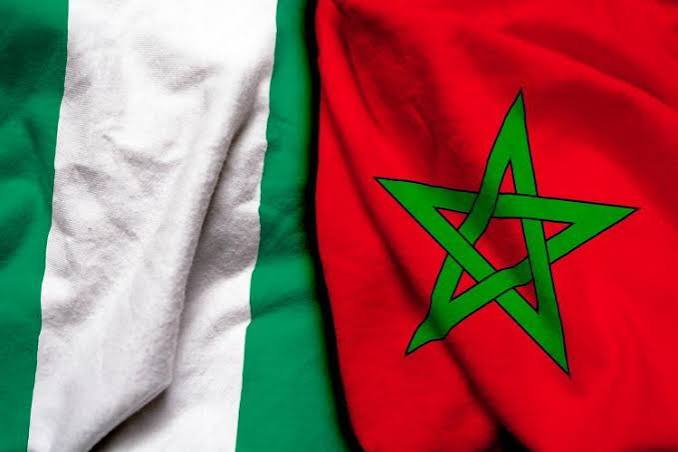
The ECOWAS endorsement of the Nigeria-Morocco Atlantic Gas Pipeline on July 20, 2026, in Lungi, Sierra Leone, marks a political milestone that the two lead countries have quickly claimed as validation of their distinct strategic roles, while reporting focused on external markets underscores financing, security and demand risks that could limit the project’s reach beyond West Africa.
The 6,800- to 6,900-kilometer pipeline, estimated at $25-27 billion, is designed to carry up to 30 billion cubic meters of Nigerian natural gas annually through 13 countries along the Atlantic coast to Morocco, with a possible extension via the existing Maghreb-Europe link into Spain. First gas is targeted for 2031, after construction begins in phases from 2028. The intergovernmental agreement signed by ECOWAS heads of state creates a legal framework and paves the way for a project company headquartered in Casablanca and a higher authority in Abuja, but it stops short of a final investment decision.
Moroccan coverage centers the agreement as reinforcement of national energy ambitions. Reports note that the project, launched in 2016 by King Mohammed VI and the late Nigerian President Muhammadu Buhari and backed by current President Bola Tinubu, will let Morocco position itself as a transit hub. They highlight the Casablanca headquarters for the project company and the direct connection to the Maghreb-Europe pipeline, framing the deal as progress toward energy sovereignty and regional market integration that supplies both domestic needs and exports.
Nigerian reporting instead places the country’s resource base at the center. The Minister of State for Petroleum Resources (Gas), Ekperikpe Ekpo, described the endorsement as a breakthrough that unlocks 215.19 trillion cubic feet of proven reserves—the largest in Africa—and shifts Nigeria from a gas-rich nation to a gas-powered economy and reliable exporter. He stressed downstream benefits including jobs, power generation, fertilizer, petrochemicals and manufacturing across participating states, tying the pipeline to President Tinubu’s industrialisation goals and regional export revenues.
Coverage from host-nation Sierra Leone and transit-focused Ghana largely carries syndicated material with limited original analysis. One Sierra Leone outlet reprints RT copy that notes Sahel interconnections and references a rival Trans-Saharan route, while a Ghanaian business site runs BBC-derived text that quotes regional experts on industrial growth and market access for 400 million consumers. These pieces foreground the summit quote from Sierra Leone’s President Julius Maada Bio—“Don’t be surprised when the gas comes your way”—but add little independent local assessment of costs or timelines.
In contrast, the BBC report details the pipeline’s intended European supply role alongside explicit obstacles that African-origin coverage downplays. It notes competition from the Trans-Saharan Gas Pipeline through Niger and Algeria, which Algeria has sought to revive. It flags environmental opposition from coalitions citing increased fossil-fuel extraction and emissions, criticism over routing through disputed Western Sahara territory without Sahrawi consent, and questions about long-term European demand as the continent shifts toward renewables. Financing challenges, security requirements across multiple jurisdictions, and the high cost of offshore segments receive sustained attention, as does the phased construction plan that may delay Nigerian supply until later segments are complete.
This split in emphasis reveals the core tension: the political endorsement advances a shared legal structure, yet the two originator states treat the step as confirmation of ownership over supply and hub functions, while external analysis treats the same document as an early-stage political signal whose economic viability remains unproven. Nigeria’s emphasis on reserve monetisation and industrialisation aligns with its position as the sole source country. Morocco’s focus on the Casablanca entity and European linkage reflects its transit ambitions. The BBC’s inclusion of rival routes, territorial disputes and demand uncertainty reflects the perspective of potential downstream buyers who retain leverage over offtake commitments and financing.
What to Watch
The project’s next phase will test whether these political claims can attract the capital and security arrangements needed for construction. European utilities and lenders will weigh the Atlantic route against LNG alternatives and the Trans-Saharan option when assessing long-term supply contracts. If financing stalls, the endorsement risks becoming another decade-long study rather than delivered infrastructure, leaving West African industrialisation goals unmet and Europe’s diversification options narrower. The pattern of coverage already shows who stands to gain most from momentum and who must still be convinced the obstacles have been addressed.
That’s how the world told the story.
Get tomorrow’s bulletin by email — one briefing, up to six stories.
Subscribe freeNo spam. One-click unsubscribe. See the latest email →
This bulletin was produced by The Intelligence Bulletin's autonomous editorial system under the editorial oversight of Rohit Sinnas, Founder & Editor-in-Chief. How it works →