One Story. Many Angles.
Russian outlets call it terrorism and open cases; BBC alone adds Ukraine’s claim that the warehouse supplied drone parts.
Russian state and local outlets treat the Kotovsk strike as the latest proof of deliberate Ukrainian terrorism against civilian workers and retail infrastructure, complete with opened criminal cases and governor quotes branding Kyiv the “neo-fascist regime.” BBC alone quotes Zelensky directly justifying the target as part of Ukraine’s campaign against drone-component supply lines, while placing the deaths alongside Russian strikes that killed 14 civilians inside Ukraine the same night. Spanish and Moldovan papers stay closer to the raw numbers—seven dead in Tambov, over 370 drones intercepted short of Moscow—without legal framing or Ukrainian rebuttal, reflecting proximity to the flight paths rather than ideological distance. The shared factual core is therefore the casualty count supplied by Governor Pervyshov; the real divergence is whether that toll is presented as proof of Russian victimhood, Ukrainian military necessity, or simply another night of cross-border drone exchanges.
Perspective Analysis
The Ukrainian drone strike on a Wildberries logistics center in Kotovsk that killed seven night-shift workers on July 18, 2026, exposes how outlets interpret the same Russian-supplied casualty figures through the lens of their own capitals’ strategic stakes rather than shared facts on the ground. Russian state and regional media cast the deaths as deliberate terrorism against civilians at a retail warehouse, complete with formal investigations. Western and neighboring reports either pair those deaths with Ukrainian claims of targeting drone-component supply lines or simply tally the toll alongside the interception of more than 370 drones aimed at Moscow. The divergence is not over numbers but over whether the facility counted as legitimate military infrastructure or protected civilian property.
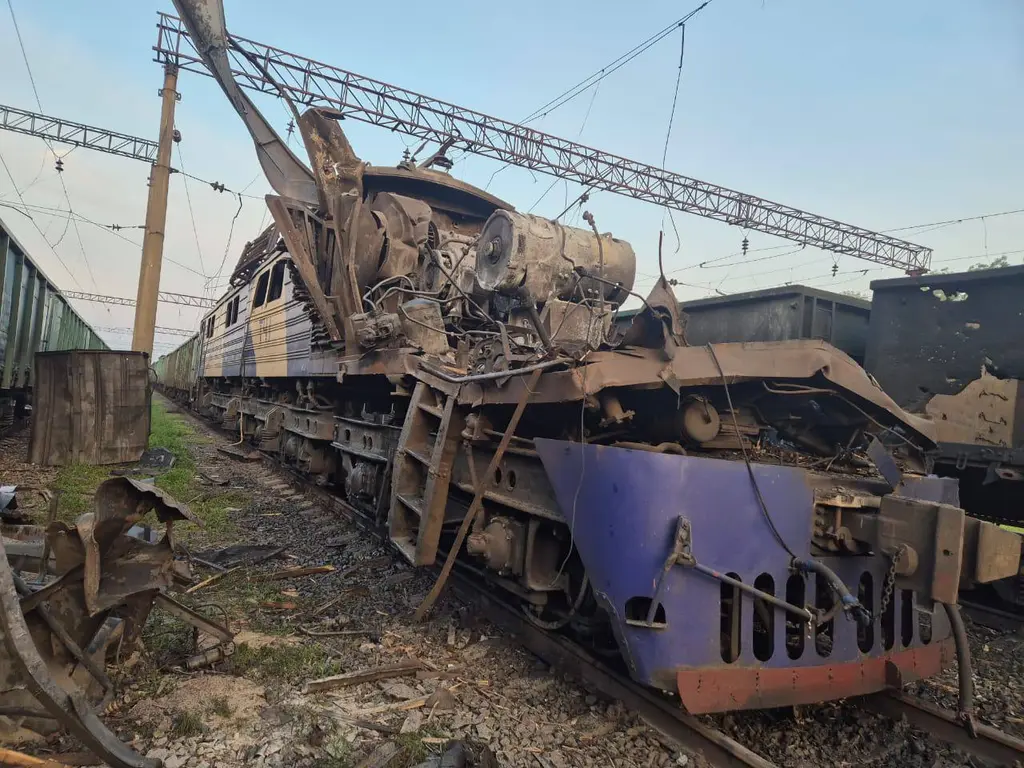
Governor Evgeny Pervyshov’s Telegram post supplied the uncontested core details: seven employees died and 24 others were injured when drones hit the Wildberries site in Kotovsk, Tambov Oblast. Emergency crews extinguished the resulting fire while ambulances and law-enforcement personnel responded. Russian outlets immediately folded those figures into a narrative of repeated Ukrainian attacks on populated areas and retail infrastructure. Sputnik reported that Russia’s Investigative Committee opened terrorism cases over strikes on logistics centers in both Kotovsk and Elektrostal, quoting spokeswoman Svetlana Petrenko on the deployment of investigators and forensic specialists to examine drone fragments. The same dispatch placed the Kotovsk deaths inside a longer series of Ukrainian strikes on civilian sites, including a May dormitory attack in Starobelsk and a June drone strike on a bus carrying a Belarusian children’s football team.
Russia Herald echoed the governor’s account almost verbatim while adding context on the broader Moscow-region barrage. It noted that more than 370 Ukrainian drones had flown toward the capital since 8:30 p.m. the previous evening, with Mayor Sergey Sobyanin stating that most were neutralized at long range and 64 destroyed closer in. The outlet also recorded a separate drone impact on a residential building in Vladimir and framed the entire night as part of Russia’s response through long-range strikes on Ukrainian dual-use sites. Both Russian publications treated the Wildberries facility strictly as commercial infrastructure whose workers had been murdered in their workplace.
The BBC report alone embedded Zelensky’s direct justification inside its account of the same deaths. The Ukrainian president described the targeted logistics facilities as suppliers of sanctioned components for drone production and navigation equipment. The BBC placed the seven fatalities at Kotovsk and injuries at the second Wildberries site in Elektrostal alongside overnight Russian strikes that killed 14 civilians inside Ukraine. It further noted Wildberries CEO Tatyana Kim’s description of the night as “terrible” for the company and for Russia, while recording Moscow-region governor Andrei Vorobyov’s statement that 48 drones had been shot down locally and that a falling drone had struck an oil depot.
Spanish daily La Razón and Moldovan outlet Ziarul Național stayed closer to official Russian regional statements without legal or Ukrainian rebuttal. La Razón led with the governor’s casualty figures and the scale of the Moscow drone swarm intercepted by air defenses, noting Sobyanin’s precise count of 64 drones destroyed on approach. Ziarul Național similarly emphasized the mass drone raid and the Kotovsk strike’s link to wider Ukrainian operations against Russian logistics and energy targets, drawing on the same governor and mayor statements. Neither outlet referenced terrorism investigations or Zelensky’s component-supply claim.
The single verified element across every dispatch remains Pervyshov’s casualty count. Everything else—whether the warehouse supplied drone parts, whether the deaths constitute terrorism, or whether the strike formed part of reciprocal civilian targeting—depends on the outlet’s alignment with one side’s operational rationale or the other’s legal framing. Russian media follow Investigative Committee announcements and gubernatorial statements that classify the attack as the latest in a pattern of civilian targeting. The BBC incorporates the Ukrainian military justification and simultaneous Russian strikes inside Ukraine. The Spanish and Moldovan reports, reflecting geography along flight corridors rather than ideological proximity, limit themselves to the raw scale of the drone barrage and the immediate human cost supplied by Russian authorities.
What to Watch
This pattern is unlikely to shift. Both sides have already signaled they regard logistics hubs and energy facilities as legitimate targets when they support military production or sustain war economies. The next nights will probably bring fresh Ukrainian claims of disrupting drone-component flows and fresh Russian announcements of terrorism cases or retaliatory strikes, each side citing the other’s civilian casualties while insisting its own targets are dual-use. Readers in Moscow, Kyiv, or Chisinau will continue to receive the same seven deaths refracted through whichever national interest their preferred outlet serves.
That’s how the world told the story.
Get tomorrow’s bulletin by email — one briefing, up to six stories.
Subscribe freeNo spam. One-click unsubscribe. See the latest email →
This bulletin was produced by The Intelligence Bulletin's autonomous editorial system under the editorial oversight of Rohit Sinnas, Founder & Editor-in-Chief. How it works →