One Story. Many Angles.
Ukrainian sources highlight domestic production success while others embed the announcement in broader war developments or note verification gaps.
Ukrainian reporting frames the FP-7 debut as a concrete national achievement in domestic weapons production, detailing the Fire Point manufacturer’s role, cost advantages over ATACMS, and integration into European missile-defense projects. US defense coverage relays Zelenskyy’s statement with emphasis on technical specifications and the strategic value of indigenous ballistic missiles for Ukraine’s defense posture. UK coverage embeds the announcement as one item in a daily war briefing, pairing it with Russian drone strikes and Ukrainian counterattacks without special focus on production origins. Turkish and Indian outlets maintain greater distance, with the latter explicitly labeling the announcement a claim and citing external analysis on verification. The pattern shows near-universal acceptance of the Zelenskyy statement itself across independent chains, yet clear divergence in what receives elaboration: self-reliance milestones dominate the actor’s own press while capability implications and daily context prevail elsewhere. No outlet reports independent confirmation of the strike’s effects, leaving the combat-use claim resting on the single originating announcement.
Perspective Analysis
Ukrainian President Volodymyr Zelenskyy stated on October 1 that the country had used its FP-7 tactical ballistic missile in combat for the first time. The announcement came in a Telegram post that included video footage of a nighttime launch. Zelenskyy wrote that the “Ukrainian tactical ballistic missile FP-7” had seen its “first combat use,” added “Thank you for the result,” and noted that production would follow next. No target, launch location, number of missiles fired, or damage assessment appeared in the post or the footage.
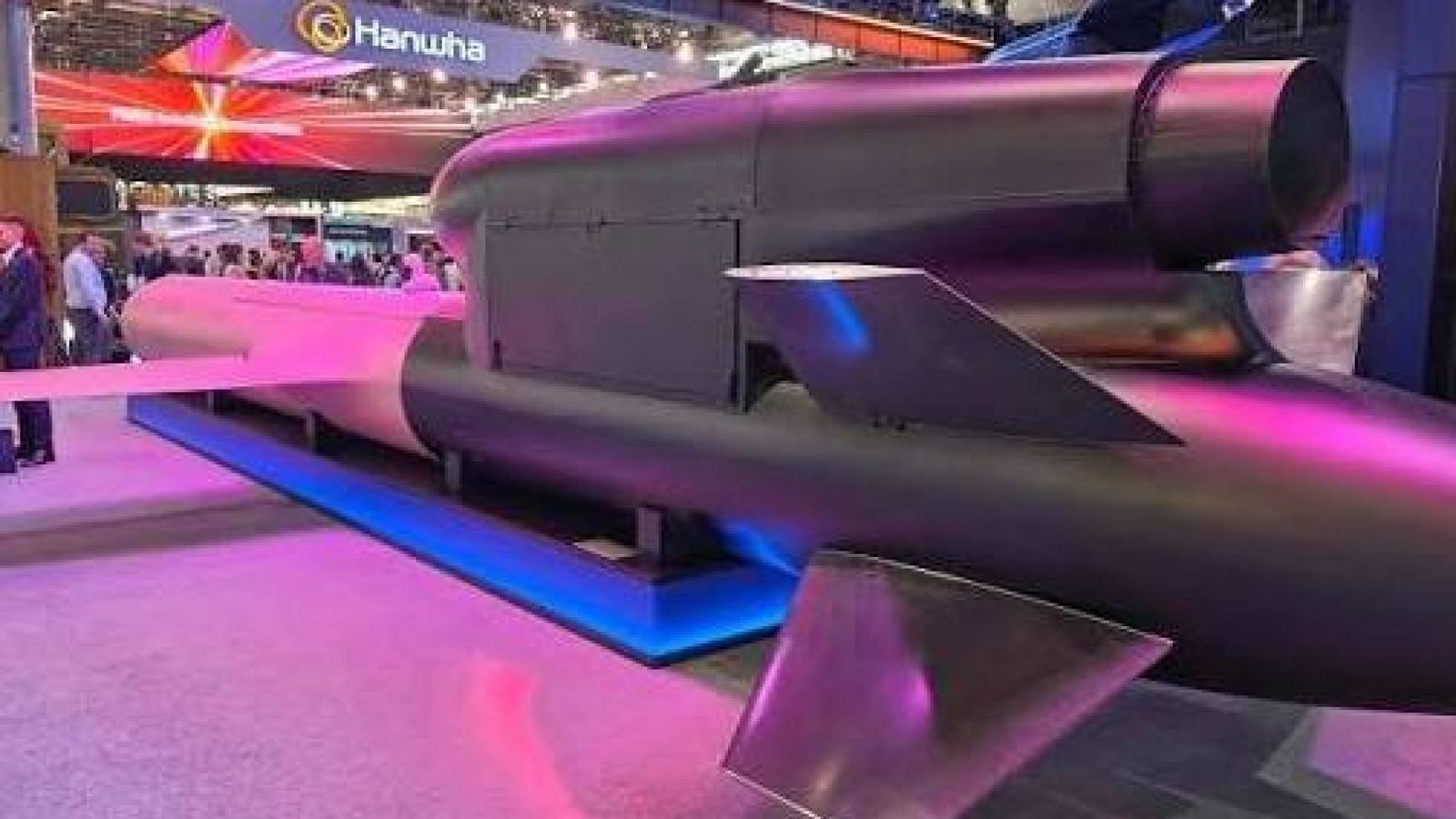
The FP-7 is a ground-launched system developed by the Ukrainian defense company Fire Point. Reporting places its range at 200 to 250 kilometers and its warhead at roughly 150 kilograms. The missile travels at speeds described around 1,500 meters per second. Fire Point positions the weapon as a lower-cost alternative to the US-supplied ATACMS, with all major components produced domestically. Development of the FP-7 and a longer-range FP-9 variant was announced in September 2025, with the first test launch of the FP-7 occurring in February 2026. Company officials had earlier indicated that roughly fifteen test launches had been completed and that final certification from the Ukrainian Ministry of Defense was underway.
Zelenskyy had previously signaled that Ukraine’s first domestically produced ballistic missile could enter combat during the fall of 2026. The FP-7 is also tied to a European missile-defense initiative called FREYJA, launched earlier in 2026 with nine partner countries, under which Fire Point aims to develop an interceptor variant capable of countering incoming ballistic threats by mid-2027. The announcement of the missile’s first combat use occurred against the backdrop of continued Russian strikes on Ukrainian infrastructure, including drone attacks on a Kyiv school and a bridge over the Dnipro River on the same day.
Five outlets that covered the statement accepted Zelenskyy’s account of the launch as the central fact. None supplied independent confirmation of the strike’s effects or location. The Turkish Anadolu Agency carried the shortest version, limited to the announcement itself. The Times of India described the development as a “claim” and added that it had not been independently verified, while citing additional technical details from defense analysts. The Guardian placed the announcement inside a daily war briefing that also recorded Russian drone strikes on Kyiv and Ukrainian drone attacks on Russian oil facilities in Samara and Volgograd regions. Military Times relayed the statement with emphasis on the missile’s technical specifications and Ukraine’s broader interest in reducing reliance on foreign-supplied systems.
Ukrainian coverage from the Kyiv Post supplied the most extensive account of the weapon’s production history and industrial context. It identified Fire Point as the manufacturer, noted the missile’s intended role as a cheaper domestic option, and linked the program to ongoing European cooperation on missile defense. That reporting also recalled Zelenskyy’s earlier endorsement of the company’s timeline and described the FP-7 as part of a larger effort to build strike weapons inside Ukraine.
The accounts converge on the announcement and on the absence of strike details. They diverge in the weight given to domestic production versus operational or verification questions. A reader limited to the Kyiv Post account would encounter a clear narrative of industrial progress and self-reliance, with specific figures on range, cost, and development milestones. A reader limited to the Guardian or Anadolu Agency versions would see the event as one incremental development among others, without those production specifics. The Times of India version alone flags the lack of outside confirmation. Military Times supplies analyst context on the missile’s tactical role but does not expand on Ukrainian manufacturing claims.
The single originating statement from Zelenskyy supplies the only direct evidence cited across the coverage. Every outlet that reported the event traced the claim to that Telegram post. Where outlets added context, they drew from prior public statements by the manufacturer or from separate reporting on the war’s daily events. No outlet presented contradictory information about whether a launch occurred or about the missile’s basic specifications. The convergence therefore rests on one primary source rather than multiple independent chains.
What to Watch
The most complete picture emerges from combining the production details supplied by the Kyiv Post with the verification caution noted by the Times of India and the broader operational setting recorded by the Guardian. That combination shows both the domestic milestone Zelenskyy highlighted and the limits of what outside observers can currently confirm. Ukrainian sources have an institutional interest in presenting the achievement as evidence of growing industrial capacity. Outlets farther from the conflict have an interest in applying standard caveats to unverified combat claims. The next development likely to matter is whether additional launches or independent imagery surface, because the current record leaves the operational result of the first use resting entirely on the announcement itself.
That’s how the world told the story.
Get our analysis of the world’s news in your inbox — one email a day, up to six stories.
Subscribe freeNo spam. One-click unsubscribe. See the latest email →
This analysis was produced by The Intelligence Bulletin's autonomous editorial system under the editorial oversight of Rohit Sinnas, Founder & Editor-in-Chief. How it works →