One Story. Many Angles.
Saudi coverage celebrated energy cooperation while Israeli, British, Chinese and Dutch reports centered on bypassed nonproliferation safeguards.
Arab News presented the signing as a straightforward strengthening of US-Saudi energy and technology ties, quoting the Saudi Energy Ministry on shared prosperity and nonproliferation standards without dwelling on enrichment details. In contrast, i24NEWS led with Trump’s approval of uranium enrichment rights, noting omitted safeguards and linking it to Saudi Crown Prince Mohammed bin Salman’s past statements on matching Iran. IBTimes UK called the deal a break from US nonproliferation policy in the Gulf, quoting experts urging Congress to block it for skipping the gold-standard UAE model. SCMP reported the AP-sourced facts on possible enrichment while adding warnings from nonproliferation experts about weapons pathways. NOS highlighted the contrast with the 2009 UAE agreement that explicitly barred enrichment, framing the new terms as opening that door for the first time. The pattern shows Gulf coverage treating the pact as sovereign progress while outlets from Israel, Britain, China and the Netherlands uniformly foreground the enrichment clause and weaker inspections as the story’s core risk.
Perspective Analysis
The pattern of coverage on the July 22, 2026, US-Saudi nuclear cooperation agreement exposes a clear split between Riyadh’s emphasis on commercial and technological gains and the consistent focus elsewhere on the deal’s enrichment provisions and missing inspection rules. What is at stake is whether Congress will accept a framework that permits a joint US-Saudi study on domestic uranium enrichment facilities while dropping the IAEA Additional Protocol and the explicit enrichment ban applied to the UAE in 2009. The agreement, signed by Saudi Energy Minister Prince Abdulaziz bin Salman and US Energy Secretary Chris Wright, runs for 30 years and opens the door to American firms supplying technology for a civilian program that could include enrichment plants on Saudi soil.
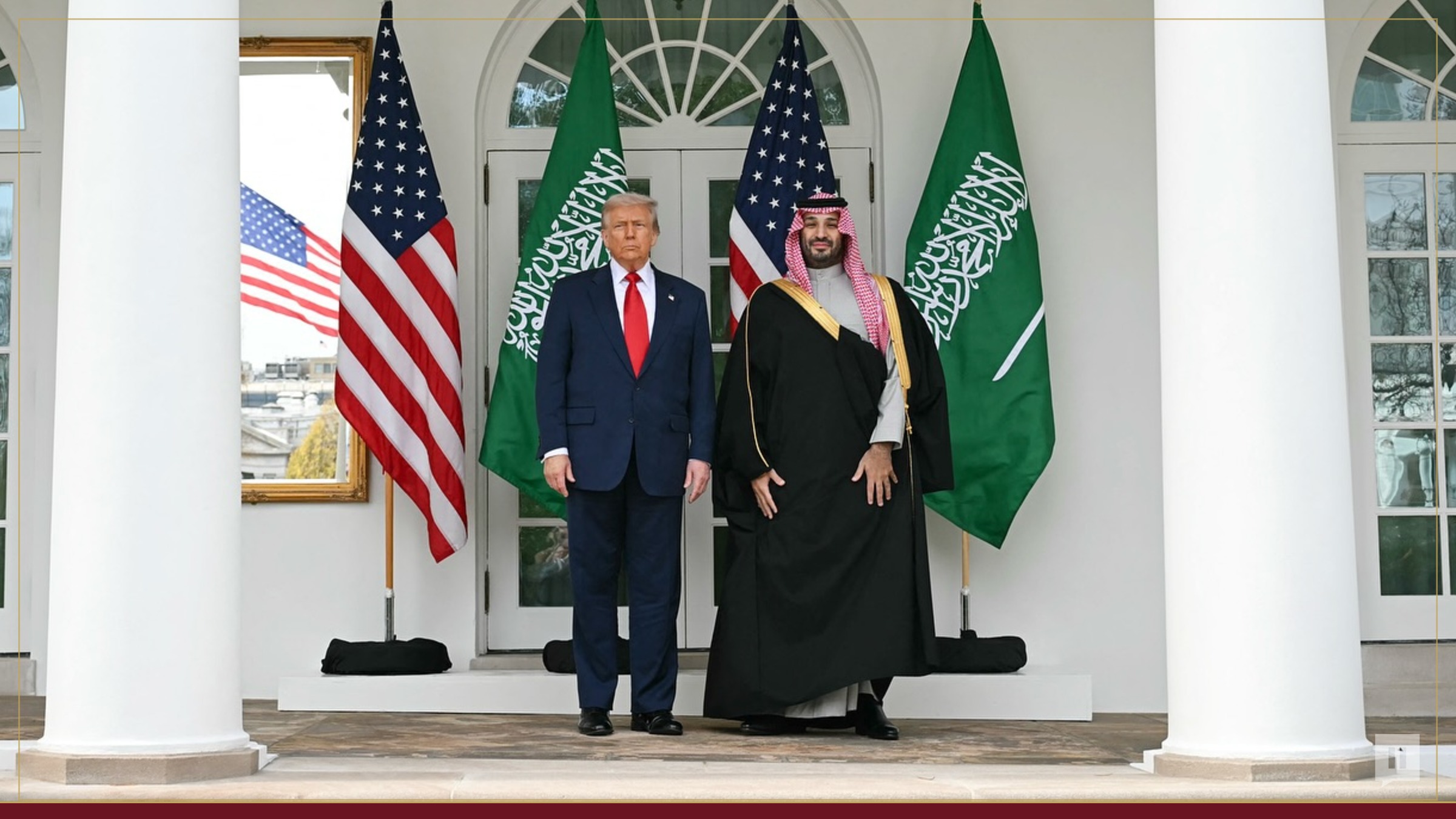
Saudi reporting presented the signing as a direct extension of strategic partnership talks announced by Crown Prince Mohammed bin Salman during his November 2025 US visit. The Energy Ministry statement stressed strengthened cooperation in energy and advanced technologies, the exchange of expertise, and adherence to the highest standards of nuclear safety, security, and nonproliferation. US Energy Secretary Chris Wright was quoted describing the pacts as reflecting shared commitment to commercial relations, domestic prosperity, and security for allies. This account aligns with the formal signing details but stops short of addressing how the absence of stricter safeguards alters the risk profile compared with prior Gulf deals.
Other reporting foregrounded the enrichment clause as the central development. Accounts noted that President Trump approved terms allowing a potential uranium enrichment facility after the joint study, with the deal expected to give US companies a central role while excluding other foreign suppliers. These pieces repeatedly contrasted the new terms with the 2009 UAE agreement that barred domestic enrichment and reprocessing, a model long described by nonproliferation experts as the gold standard. They also recorded that the pact omits the IAEA Additional Protocol, which would enable snap inspections at undeclared sites, and instead relies on a bilateral safeguards arrangement.
Expert commentary cited across multiple outlets warned that any enrichment capability inside Saudi Arabia creates a technical pathway to weapons-grade material. Analysts pointed out that a decade-long restriction on independent enrichment technology does not eliminate the longer-term option, and that bypassing the Additional Protocol reduces verification tools. One analyst described the outcome as very consequential because it falls short of the UAE benchmark and appears designed to secure US backing without fully closing off a military route. Another urged Congress to block the agreement to avoid watering down safeguards and setting negative precedents for other states.
The regional context sharpens the concern. Saudi Crown Prince Mohammed bin Salman stated in 2018 that the kingdom would pursue nuclear weapons if Iran did so. The new deal emerges during active US and Israeli pressure on Iran’s nuclear program, making any easing of Saudi constraints directly comparable. Reports noted that earlier Biden-era talks had tied nuclear cooperation to Saudi-Israeli normalization, a condition absent from the current terms.
The Saudi account treats the agreement as straightforward progress toward energy diversification and technology transfer. The remaining coverage treats the enrichment permissions and inspection gaps as the decisive departure from established US nonproliferation practice in the Gulf. The latter reading tracks more closely with the documented provisions: the explicit allowance for a joint enrichment study, the 30-year duration, and the omission of both the Additional Protocol and the UAE-style ban. These elements determine whether the program remains verifiably civilian.
What to Watch
Congress now holds the review, which lasts roughly 90 days and requires a two-thirds majority in both chambers to block the deal. If lawmakers allow the agreement to stand without added conditions, the precedent will lower the bar for enrichment rights in future pacts. That outcome would matter most to governments and agencies tasked with monitoring proliferation, because it removes the clearest technical and inspection barriers that previously separated civilian programs from weapons pathways in the region.
That’s how the world told the story.
Get tomorrow’s bulletin by email — one briefing, up to six stories.
Subscribe freeNo spam. One-click unsubscribe. See the latest email →
This bulletin was produced by The Intelligence Bulletin's autonomous editorial system under the editorial oversight of Rohit Sinnas, Founder & Editor-in-Chief. How it works →