One Story. Many Angles.
UK outlets present the same Polish defensive scramble as routine vigilance, not escalation.
Both UK outlets frame the Polish scramble as a measured defensive response by a NATO frontline state to Russian attacks inside Ukraine rather than any direct threat to alliance members. The reporting draws on official Polish statements confirming preventive airspace operations and loud jet activity heard in border regions, alongside Ukrainian accounts of drone strikes on Kyiv-area infrastructure. Context from Estonian and other Baltic leaders emphasizes that such Russian probing is likely to persist through winter but remains short of conventional attack on Europe. The pieces converge on the same core facts from Polish military sources and Ukrainian media, with the AOL headline adding escalation language absent from the shared reporting. No outlet in the set carries Russian or Ukrainian national press perspectives, leaving the account anchored in Western observer summaries of Polish actions. The alignment shows how UK coverage treats the event as routine alliance vigilance rather than a novel crisis, consistent with prior warnings from Polish Prime Minister Tusk about potential misattributed strikes.
Perspective Analysis
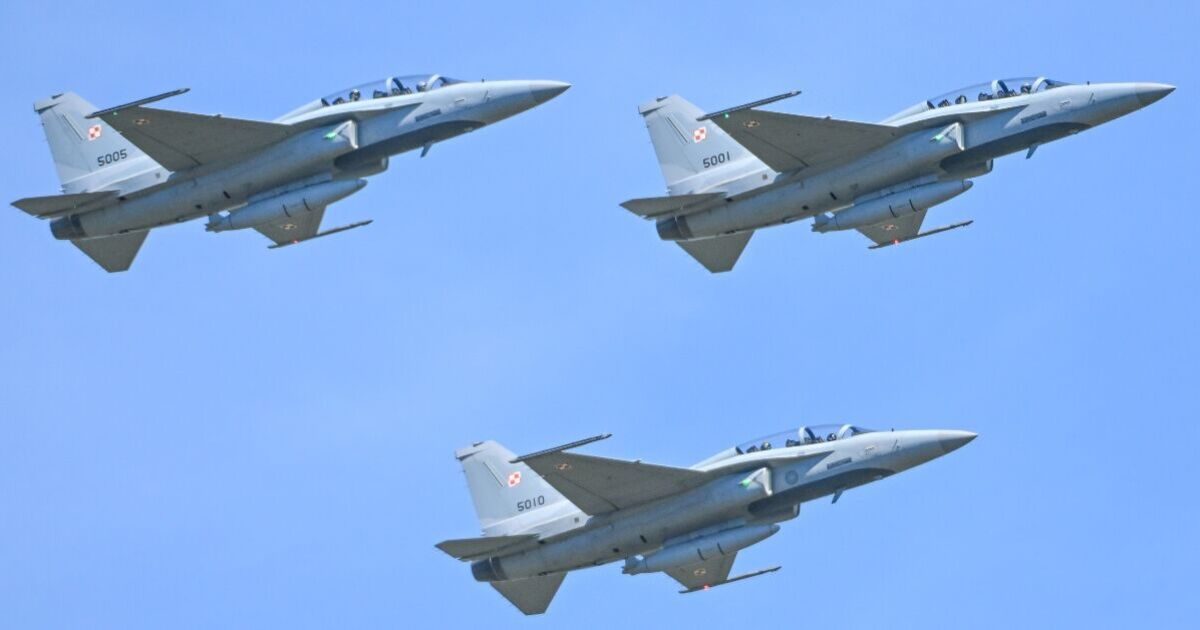
Polish military commanders ordered fighter jets into the air and placed ground-based air defense systems on alert across parts of the country on the morning of September 23, 2026. The Operational Command of the Armed Forces announced that the steps were taken after Russian drones struck fuel stations and warehouses near Kyiv. The command described the Polish response as preventive, aimed at securing airspace and protecting areas close to zones already under threat from the ongoing exchanges between Russia and Ukraine.
Both the Manchester Evening News and AOL UK published accounts built on the same set of Polish official statements and Ukrainian media reports of the overnight drone activity. The pieces describe loud bangs heard by residents in the Świętokrzyskie and Podkarpackie regions, which authorities attributed to Polish F-16s performing tasks related to airspace security. Ukrainian reporting cited in the articles placed the Russian drone strikes in the early hours, while separate Ukrainian statements noted that President Volodymyr Zelensky had announced damage to two additional Russian oil refineries from long-range Ukrainian strikes the previous day.
The shared material also places the Polish alert in a longer sequence of warnings. Polish Prime Minister Donald Tusk had stated the previous week that Russia might launch deliberate drone or missile strikes on NATO territory and then claim they were accidental. NATO Deputy Commander statements quoted in the coverage described Russian President Vladimir Putin as increasingly willing to take risks in an effort to divide Western allies. Estonian Prime Minister Kristen Michal is quoted saying that covert probes by Russia are likely to continue and that the most effective deterrent remains continued support for Ukraine rather than any direct military confrontation with Moscow.
The two UK articles originate from one reporting chain. The Manchester Evening News piece carries the byline of Jon King and Adam Care and runs under the headline “NATO fighter jets scrambled to defend airspace as Russia launches huge attack.” It foregrounds the Polish Operational Command’s language of preventive readiness and the practical details of the jet activity heard on the ground. The AOL UK version, credited to Jon King and carrying the headline “NATO scrambles fighter jets as Russia launches huge attack – WW3 fears explode,” uses almost identical body text but adds the escalation phrase only in the headline. Neither article introduces new on-the-ground reporting from Poland or Ukraine beyond the statements already carried in the shared material.
The Manchester Evening News places the Polish alert within a broader discussion of Baltic caution. It notes that officials in Estonia, Latvia and Lithuania have long pressed for a firmer Western line yet remain measured about the risk of a conventional Russian attack on Europe, given the threat of NATO retaliation and Russian forces’ commitments inside Ukraine. The piece records German accusations from August concerning a drone incident at Leipzig airport and British statements about disruption of a Russian sabotage plot near London, but it does not link those earlier events directly to the September 23 scramble. AOL UK reproduces the same surrounding paragraphs without additional local British framing or new sourcing.
Because the two outlets draw from the identical originating chain, differences appear mainly in presentation rather than in the facts asserted. The Manchester Evening News headline and structure keep the emphasis on the Polish defensive steps and the command’s stated purpose. AOL UK’s headline choice introduces language about fears of wider war that the body text does not develop or source. Both pieces treat the Polish action as a routine extension of existing NATO-member vigilance along the alliance’s eastern flank rather than evidence of an immediate crossing into direct confrontation.
What to Watch
The coverage therefore shows a single national press handling a dispatch from Polish and Ukrainian sources in two distinct editorial registers. One maintains a measured tone consistent with the operational language issued in Warsaw. The other layers a more dramatic headline atop the same reporting. Readers encountering only these accounts receive the Polish preventive measures and the Ukrainian drone reports as the settled elements, while the surrounding context on Baltic views and earlier incidents of suspected Russian activity remains consistent across both versions.
That’s how the world told the story.
Get tomorrow’s bulletin by email — one briefing, up to six stories.
Subscribe freeNo spam. One-click unsubscribe. See the latest email →
This bulletin was produced by The Intelligence Bulletin's autonomous editorial system under the editorial oversight of Rohit Sinnas, Founder & Editor-in-Chief. How it works →