One Story. Many Angles.
Every outlet reports the legal-consultation caveat, yet none examines whether New York City could actually enforce it at the UN.
The clearest pattern across these reports is how little any outlet questions the legal feasibility of a municipal arrest at the UN. Every source repeats Mamdani’s caveat that he will act only within New York law, yet none explores the practical barriers of diplomatic immunity or federal preemption. Instead, the divergence is in what each treats as the real story. Haaretz pairs the threat with Mamdani’s condemnation of U.S. Gaza policy. OANN and the Independent foreground Netanyahu’s counter-accusations of Hamas sympathy and antisemitism. Egypt Independent anchors the episode in the ICC’s genocide findings. Free Malaysia Today leads with Jerusalem’s official slap-down, calling the ICC a kangaroo court. The shared restraint on whether Mamdani can actually do anything reveals that the coverage is less about enforcement than about signaling whose side each capital or editor takes in the ICC’s legitimacy fight.
Perspective Analysis
The pattern in coverage of New York City Mayor Zohran Mamdani’s comments on a possible arrest of Israeli Prime Minister Benjamin Netanyahu reveals outlets treating the episode mainly as ammunition in the wider dispute over the International Criminal Court’s authority. Practical questions about whether a city mayor could enforce an ICC warrant against a visiting head of state receive almost no scrutiny. Every report notes Mamdani’s repeated insistence that any step would stay inside existing New York law, yet none examines the federal rules on diplomatic immunity, the host-country agreement that shields UN visitors, or the preemption of local police by national security interests. The real divergence lies in which side of the ICC fight each outlet chooses to amplify.
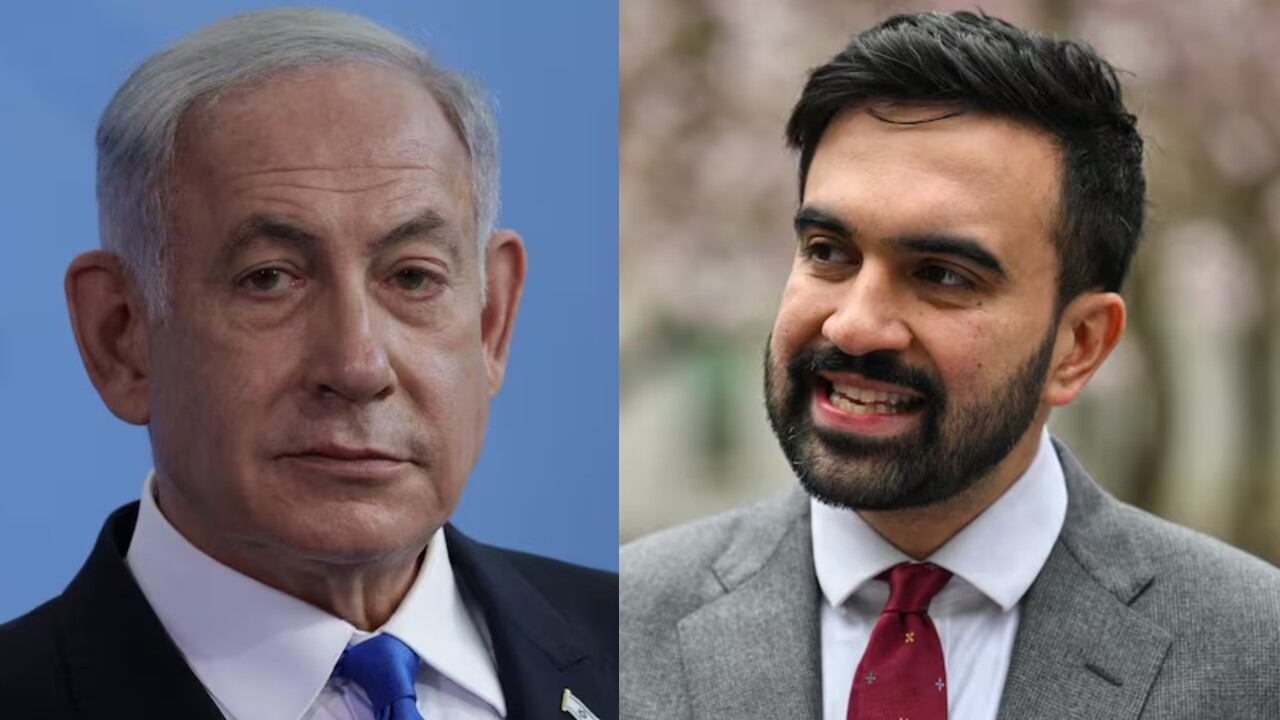
Mamdani made his latest remarks in a July 18 interview with The New York Times. He said his administration was in active talks with city lawyers about the scope of his authority should Netanyahu attend the UN General Assembly in September. The mayor called Netanyahu a war criminal under the ICC warrant and said he belongs in The Hague. He added that he would act only on what municipal law permits and would not invent new rules. Netanyahu’s office responded by labeling the ICC a kangaroo court without jurisdiction over Israelis, accusing Mamdani of trying to distract from his own record, and urging him to focus on problems in New York instead.
Israeli reporting placed the mayor’s comments inside the larger picture of American criticism of Israel’s Gaza operations. It connected the remarks to domestic U.S. pressure on Netanyahu and to arguments that he should answer charges at the ICC. The account gave more space to Mamdani’s description of U.S. policy toward Palestinians as bankrupt than to the prime minister’s counterattack. That choice fits an Israeli broadsheet’s interest in tracking how international legal moves against its leadership play out inside the United States.
Conservative American outlets and some British reporting instead led with the personal exchange. They quoted Mamdani’s “war criminal” language directly and gave prominent play to Netanyahu’s radio rebuttal, in which he accused the mayor of championing Hamas, apologizing for Iran, and secretly hating America. One account also carried the Israeli UN ambassador’s statement that Netanyahu would speak at the General Assembly with pride. These versions treated the story as evidence of domestic political fractures over Israel rather than a test of the ICC’s reach.
Egyptian coverage anchored the episode in the ICC warrant itself and described Israel’s actions in Gaza as genocide. It presented Mamdani’s legal consultations as part of an ongoing international debate about enforcement of the court’s orders. The account omitted the sharper personal accusations from Netanyahu’s side and instead emphasized the regional legal argument over accountability. That emphasis matches the perspective common in Arab-world reporting, where the ICC’s findings against Israeli leaders carry greater weight.
Malaysian reporting opened with the official Israeli response. It quoted Netanyahu’s office calling the ICC a kangaroo court and linking Mamdani’s interest in the warrant to the disgraced former prosecutor Karim Khan. The piece foregrounded the diplomatic slap-down and the claim that the warrant was timed to deflect scrutiny from the prosecutor. It gave less space to Mamdani’s own words than to Jerusalem’s framing of the court as illegitimate.
The shared decision across all these accounts to skip any serious look at enforcement barriers shows the episode functions as a signaling device. Outlets aligned with different capitals or editorial lines use the mayor’s threat to affirm or contest the ICC’s legitimacy without having to resolve whether a city police department could actually detain a protected foreign official. Mamdani’s pledge to stay within the law provides convenient cover for that restraint.
The account closest to the underlying dynamics is the one that led with the Israeli government’s direct rebuttal. It correctly identifies the core contest as the court’s standing rather than any realistic municipal arrest. The other versions either soften that clash by embedding it in U.S. policy debates or elevate the personal rhetoric at the expense of the jurisdictional point.
What to Watch
No arrest is expected. Federal authorities control access to the UN site and extend standard protections to heads of state. Even if city lawyers found a narrow procedural opening, national preemption and diplomatic conventions would block it. The episode will therefore remain a talking point that sharpens divisions inside the United States over Israel policy and keeps the ICC’s contested status in public view. For readers outside the immediate political camps, the lasting effect is to illustrate how little actual power local officials hold when they try to insert themselves into high-stakes foreign policy disputes.
That’s how the world told the story.
Get tomorrow’s bulletin by email — one briefing, up to six stories.
Subscribe freeNo spam. One-click unsubscribe. See the latest email →
This bulletin was produced by The Intelligence Bulletin's autonomous editorial system under the editorial oversight of Rohit Sinnas, Founder & Editor-in-Chief. How it works →