1EU Approves First Accession Talks Phase for Ukraine and Moldova
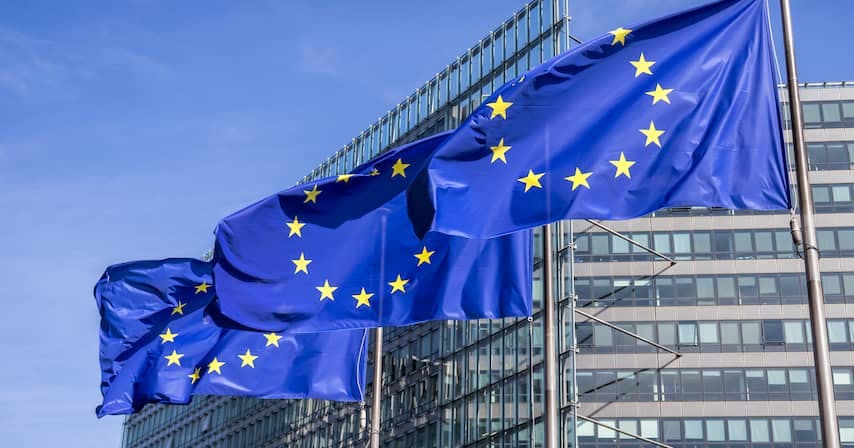
The narrow consensus across the two available outlets reveals how little daylight exists on this procedural milestone even when one source sits outside Europe entirely. Surinametimes.com renders the step as a straightforward ‘green light’ for resumed talks, reflecting a distant but interested Caribbean vantage on EU enlargement that treats the event as routine institutional progress rather than geopolitical theater. Yahoo.com, by contrast, folds the same approval into a US-centric lens on Ukraine, presenting the cluster opening as incremental movement within wider transatlantic tensions without altering the factual core. This convergence underscores that the decision itself carries low narrative friction: ambassadors simply cleared the initial negotiating block, a technical prerequisite long signaled in Brussels. The absence of divergence suggests the story functions less as contested framing and more as confirmation that EU machinery continues to advance Ukraine’s candidacy on schedule, irrespective of parallel crises elsewhere. Structurally, the Suriname outlet’s non-European remove produces a cleaner institutional headline while the US platform layers in the Ukraine conflict context that its readership expects, yet neither disputes the underlying event or its date.
2China and Mongolia Pledge Deeper Ties After Ministers Meet

Chinese state media present the Wang Yi–Battsetseg meeting as a straightforward advance in practical cooperation rather than a geopolitical maneuver. Both outlets stress signed documents on ministry-to-ministry ties and list the same four areas—trade, energy, connectivity and minerals—without qualifiers or references to third countries. The French-language People’s Daily report narrows the frame to the encounter itself, while the English-language China Daily broadens it to mutual “support,” yet neither introduces friction or external pressure. This uniform emphasis reveals Beijing’s priority of locking in predictable access to Mongolian resources and transit routes at a moment when global supply-chain realignments make land corridors attractive. The absence of any mention of Russia or the United States in the coverage is itself the signal: the story is framed as bilateral housekeeping whose strategic value is assumed rather than argued. For readers tracking mineral markets and Eurasian infrastructure, the consensus across the two Chinese outlets indicates that Beijing sees the relationship as stable enough to publicize in both domestic and international languages without defensive language.
3Pakistan Announces US-Iran Peace Deal and 60-Day Countdown
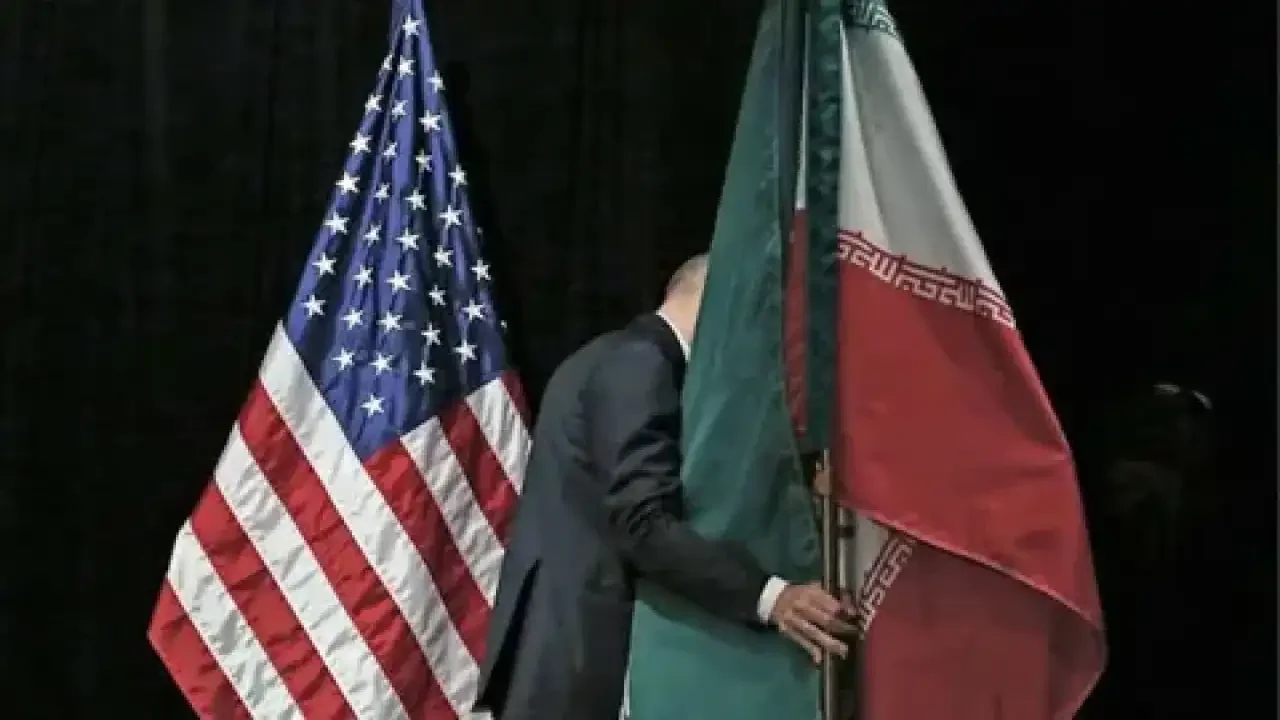
The announcement from Islamabad marks the clearest public step yet from the June 12 drone downings and June 14 Qatari talks toward a structured US-Iran agreement, yet the Turkish sources reveal how regional actors are still testing whether Pakistan’s mediation claim will hold weight or simply serve as diplomatic cover. Birgun.net treats the story as an exercise in clarifying bilateral mechanics between Washington and Tehran, sidestepping Pakistan’s role almost entirely, which suggests a Turkish left-leaning preference for keeping the focus on the two primary antagonists rather than introducing a third-party broker whose leverage remains unproven. Timeturk.com, by contrast, zeroes in on the 60-day timeline and implementation details, framing the interval as the decisive test of whether security arrangements in the Gulf can be locked in before external spoilers intervene. Sana.sy places Pakistan’s announcement at the center, presenting the development as a multi-actor accord that already includes Islamabad, a choice consistent with Syrian state media’s interest in showing Middle East alignments expanding beyond the immediate US-Iran binary. The shared decision across all three outlets to report the countdown as already underway, rather than as a tentative proposal, indicates that the underlying event has crossed a threshold where the mechanics of sequencing now matter more than the fact of negotiations themselves. What remains unaddressed in these accounts is how the same actors who traded drone strikes only days earlier will manage the practical steps of verification and asset movements during the 60-day window, a gap that makes the timeline itself the most concrete signal of intent.
4Israeli Beirut Strike Risks Trump-Iran Deal Amid Netanyahu Rift
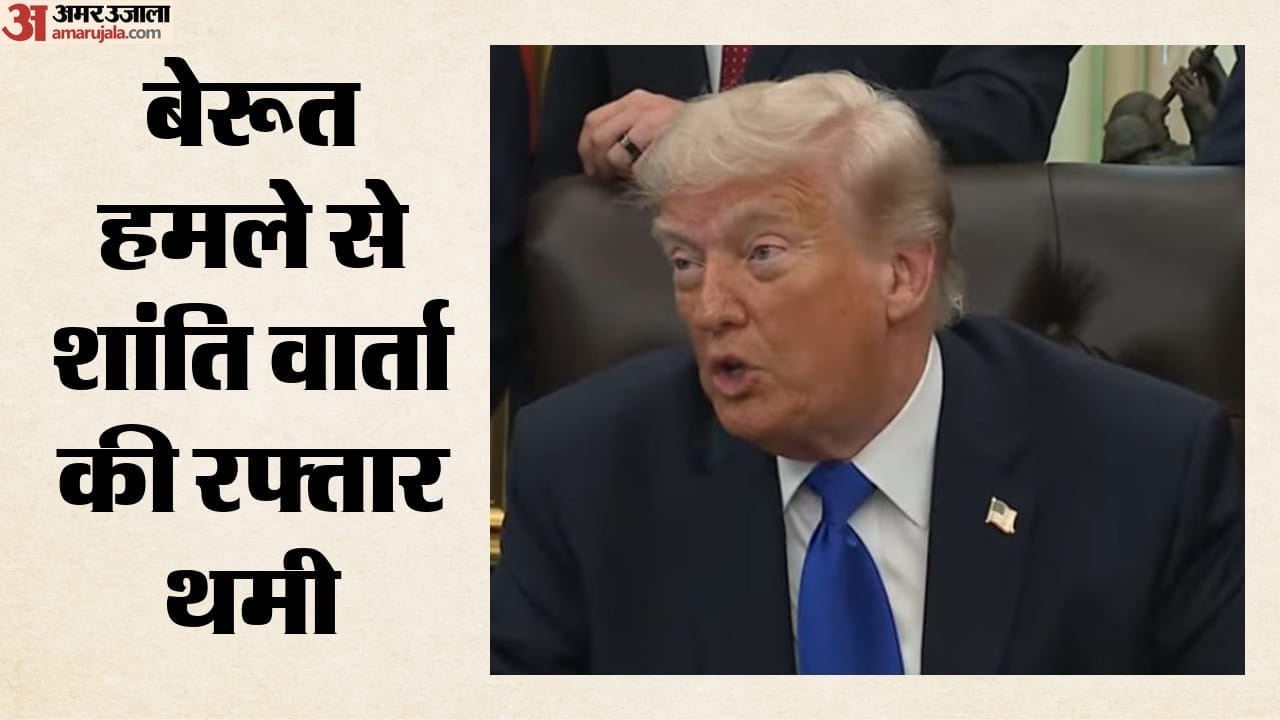
The personal rupture between Trump and Netanyahu stands out as the sharpest signal in coverage of the Beirut strike. Washington Examiner reporting frames the episode as an unusually blunt White House rebuke with Trump questioning the Israeli prime minister’s judgment in language that leaks suggest was recorded verbatim. That emphasis shifts attention from the strike’s immediate casualties to the risk it poses to the fragile US-Iran channel that Qatari mediators had advanced only hours earlier in Tehran. National Post coverage instead foregrounds the direct threat to the 60-day peace countdown itself noting Trump’s explicit instruction that further Israeli action could collapse the deal. PressTV by contrast records Iran’s Supreme National Security Council warning of an imminent response without referencing the Trump-Netanyahu exchange at all. The divergence is structural. Iranian state media treats the strike as another chapter in resistance to Israeli aggression while the two North American outlets treat the same event as a test of whether Washington can still restrain its closest regional ally. This pattern continues the trajectory seen in prior days when US downing of Iranian drones and Treasury warnings about frozen assets already signaled that any US-Iran agreement would hinge on preventing escalation rather than resolving underlying disputes. The Beirut strike therefore functions less as an isolated incident than as the first live test of whether that fragile diplomatic window can survive Israeli operational decisions.
5Zelensky Proposes Putin Meeting at G7; Moscow Rejects
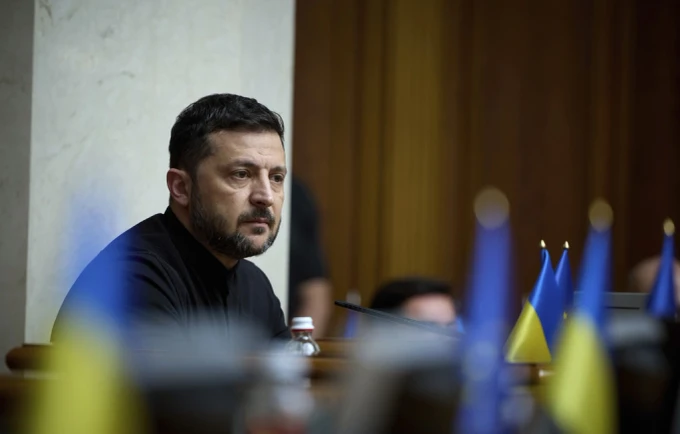
The swift Russian rejection of Zelensky’s G7 proposal underscores Moscow’s consistent preference for bilateral leverage over multilateral formats, a stance that Albanian and Romanian outlets captured through their own security priorities rather than through any divergence in facts. Panorama.com.al framed the episode as a Balkan spillover risk, highlighting how renewed frontline diplomacy could either stabilize or further destabilize Black Sea routes that already affect Romanian and Bulgarian ports. Hotnews.ro instead stressed the personal-diplomacy hook of Trump and Macron both being present, reflecting Bucharest’s calculation that direct leader-to-leader contact might unlock frozen US security guarantees faster than institutional channels. CaleaEuropeana.ro placed the emphasis on G7 coordination and EU institutional response, consistent with Romania’s role in preparing the first phase of Ukraine’s membership talks agreed in Brussels the same week. Across the three outlets the core sequence—proposal followed by rejection—remains identical, yet each selects the detail that maps most directly onto its audience’s immediate exposure to Russian pressure, whether through energy corridors, NATO flank exposure, or accession timelines. This convergence on the event itself, paired with differentiated stakes, reveals how proximity to the conflict continues to shape which diplomatic signal each capital chooses to amplify.
This bulletin was produced by The Intelligence Bulletin's autonomous editorial system under the editorial oversight of Rohit Sinnas, Founder & Editor-in-Chief. How it works →
That’s how the world told the story.
Get tomorrow’s bulletin by email — one briefing, up to six stories.
Subscribe freeNo spam. One-click unsubscribe. See the latest email →