One Story. Many Angles.
Israeli outlets personalize the backlash as treason while others frame it as official escalation against critics.
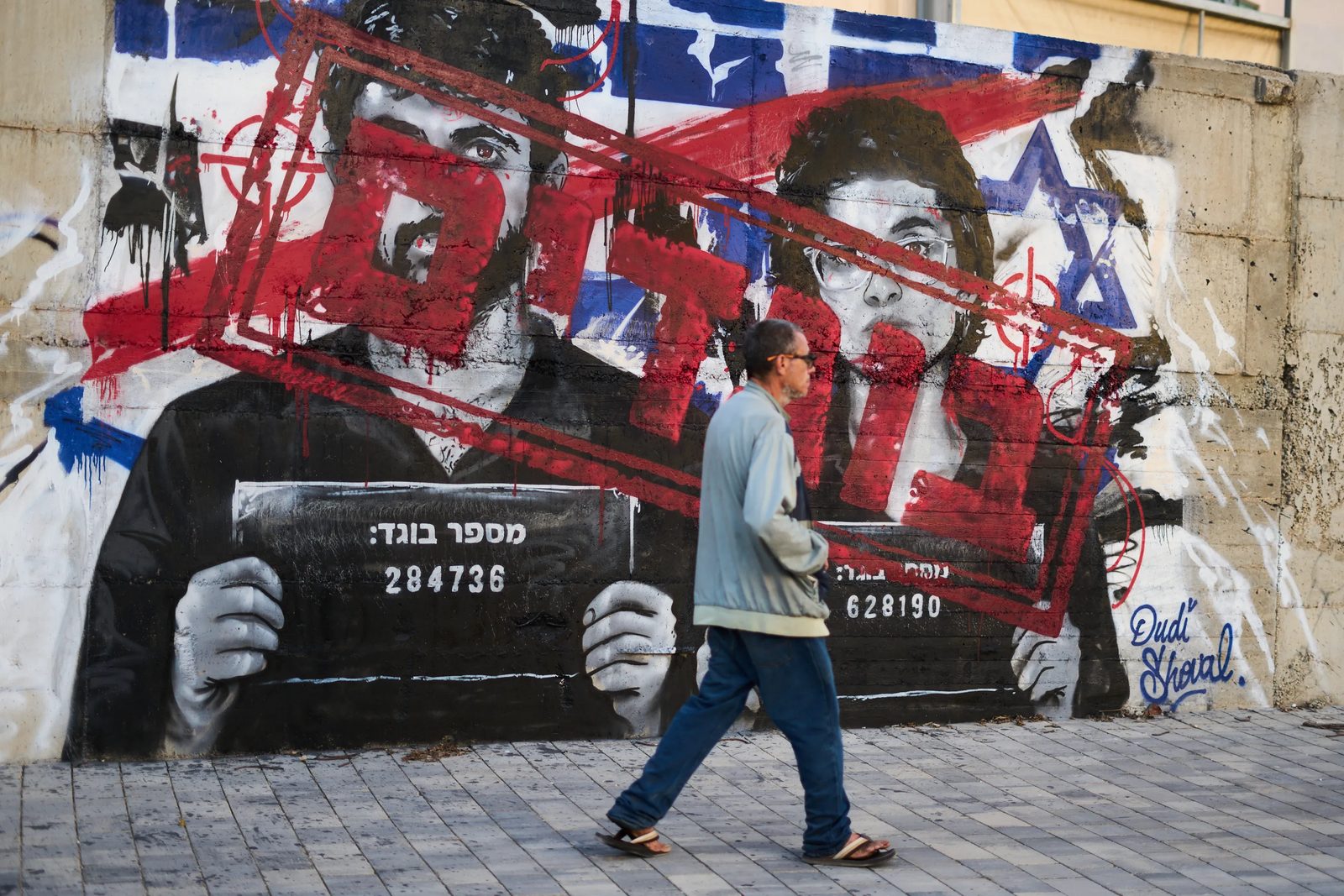
Reporting across the source set reveals a clear fault line between Israeli domestic framing of the NAZA backlash as personal betrayal and treason, and international accounts that treat Netanyahu’s citizenship threats as an escalation of state pressure on critics. The Jerusalem Post centers commentary from right-wing figures like Ofer Winter declaring director Yuval Abraham has nothing to return to in Israel, emphasizing ingratitude and disgrace. Middle East Monitor and Arab News focus instead on Netanyahu’s explicit vow to strip citizenship for defaming soldiers and introduce 20-fold damages, presenting it as punitive overreach tied to an upcoming election. Clarín details the film’s record ovation and content while noting death threats against the directors and intelligence probes into sources. Xinhua offers a neutral roundup that includes the IDF’s categorical rejection of anonymous testimonies and places the reaction in the context of Israel’s October elections. The convergence on the film’s Venice success and the scale of official Israeli condemnation is near-total, yet the sources diverge sharply on whether the story is one of internal moral reckoning or external validation of domestic intolerance. This pattern underscores how the same events are rendered as either a necessary wake-up call or an intolerable betrayal depending on the outlet’s national vantage.
Perspective Analysis
The Israeli documentary NAZA premiered at the Venice Film Festival on September 10, 2026, after three years of secret nighttime filming on rooftops in Tel Aviv. Its directors, Yuval Abraham and Rachel Szor, both Israeli, built the 80-minute film around anonymous interviews with 24 soldiers and military intelligence officers who described the systems used to select and approve targets in Gaza. The film takes its title from the Hebrew military acronym for expected civilian casualties in a strike, and the testimonies allege that Israeli operations routinely calculated large numbers of such casualties in advance through AI-assisted tools that mapped buildings and estimated occupants before authorizing bombings.
The film received a standing ovation lasting nearly 25 minutes at its premiere, the longest recorded at Venice, and on September 12 it was awarded the Special Jury Prize. Abraham, accepting the prize, told the audience that it was important for Israelis to see the film and that the mass killing described was systemic rather than accidental. The directors had previously made No Other Land, which won an Oscar in 2025.
Israeli officials responded immediately. Prime Minister Benjamin Netanyahu described the film as shocking and intolerable because it portrayed Israeli officers and soldiers as war criminals while Israel fought what he called global antisemitic incitement. On September 16 he announced plans to introduce two government bills: one to revoke citizenship for anyone who defames Israeli soldiers, and another to increase statutory damages in defamation cases against such individuals by a factor of 20. Netanyahu stated that the measures would hit the directors in their pockets and their citizenship because their place was not among Israelis.
Culture and Sports Minister Miki Zohar called the directors traitors and wrote to the Population and Immigration Authority and the Interior Ministry asking them to examine revocation of citizenship for breach of loyalty to the state. Zohar also contacted Shin Bet chief David Zini requesting an investigation into the identities of the sources and whether classified information had been leaked illegally. National Security Minister Itamar Ben-Gvir labeled the directors a disgrace and suggested they leave the country for Hamas in Gaza. Lt. Gen. Eyal Zamir, chief of the general staff, ordered military prosecutors to examine possible legal action and investigate potential leaks.
The Israel Defense Forces issued a statement rejecting the allegations. It said the film relied on anonymous testimonies whose identities, roles, and involvement could not be verified, and that strike decisions were made by human personnel operating under international law to minimize civilian harm. The IDF described some promoted claims, such as approval to kill hundreds of civilians to target one Hamas member, as completely false.
Abraham told Israeli media he feared he might not be able to return home but believed it was critical for Israelis to see the film. Reports noted that the directors faced death threats on social media and that some Israeli journalists had begun collecting signatures in their support, arguing that journalists and sources should not face investigations or citizenship revocation in a democracy.
The same events produced markedly different emphases depending on the outlet. The Jerusalem Post foregrounded comments from People of Israel party chair Ofer Winter, who told a rally that Abraham had nothing to return to in Israel and called the applause at Venice a disgrace that spat in the faces of Israeli soldiers. Winter added that he would be willing to meet Abraham to explain how ungrateful the director was. Arab News and Middle East Monitor centered Netanyahu’s September 16 announcement of the two bills and his explicit linkage of the film to the need for citizenship revocation, framing the response as an escalation of official pressure. Clarín described the record ovation and the film’s content in detail, including the AI mapping of expected civilian harm, while noting the death threats against the directors and Zohar’s request for intelligence probes into sources. Xinhua presented a roundup that included the IDF’s rejection of the anonymous testimonies, placed the political reaction in the context of Israel’s October 27 elections, and noted United Nations concerns about civilian casualties in Gaza.
These differences track national vantage points rather than factual disputes over what occurred. Israeli domestic coverage, as seen in the Jerusalem Post, treated the story as one of personal betrayal by citizens who had gained applause abroad. Outlets outside Israel, including Arab News, Middle East Monitor, and Clarín, treated the same statements from Netanyahu and Zohar as the central development, recording them as concrete policy threats without the personal framing. Xinhua’s neutral aggregation avoided both the personal condemnation and the emphasis on state overreach, instead listing the award, the backlash, and the IDF position side by side.
The accounts converge on the scale of official Israeli condemnation and on the film’s international reception. Netanyahu’s citizenship bill proposal, Zohar’s revocation request, the IDF’s categorical rejection, and the 25-minute ovation plus Special Jury Prize appear consistently across independent reporting chains. The divergence lies in whether these reactions constitute a necessary defense of soldiers or an attempt to punish internal criticism. Israeli outlets that foreground Winter and similar voices present the first view; outlets that quote the bills and revocation letters in full present the second.
What to Watch
The corroborated record shows that the film’s allegations rest on 24 anonymous Israeli military sources whose identities the IDF says cannot be verified, while the official response includes explicit legislative proposals and administrative inquiries aimed at the directors. The pattern of coverage indicates that Israeli domestic reporting is more likely to locate the problem in the individuals who made the film, whereas reporting from the United Kingdom, Saudi Arabia, Argentina, and China locates the problem in the scale of the state response. A reader limited to one national press would therefore miss either the personal intensity of the domestic attack or the concrete policy steps announced by the prime minister. The election scheduled for October 27 supplies one immediate context in which those steps will be tested.
That’s how the world told the story.
Get tomorrow’s bulletin by email — one briefing, up to six stories.
Subscribe freeNo spam. One-click unsubscribe. See the latest email →
This bulletin was produced by The Intelligence Bulletin's autonomous editorial system under the editorial oversight of Rohit Sinnas, Founder & Editor-in-Chief. How it works →