1Zelenskyy Proposes Direct Putin Meeting for Ukraine Ceasefire

The Argentine outlet Agencia Nova reports Zelenskyy’s letter as a straightforward diplomatic overture aimed at securing face-to-face talks, reflecting a Latin American distance from the immediate European theater that allows the proposal to stand on its own terms. Linkiesta instead treats the same letter as the opening move in a larger, largely unspoken contest over Ukraine’s postwar trajectory, shifting attention from the bilateral encounter itself to the external powers that would shape any settlement. AOL’s UK briefing supplies the missing Russian reply, quoting Putin directly that there is no point in meeting and that victory remains assured, thereby converting a Ukrainian initiative into a record of rejection. This distribution of emphasis reveals a structural pattern: outlets farther from the conflict zone present the appeal as actionable diplomacy, while those closer incorporate the counter-statement that renders the proposal inert. The resulting coverage converges on the fact of the letter yet diverges on whether it constitutes a live negotiating channel or merely another public record of impasse, a distinction that tracks each outlet’s proximity to the decision-making centers deciding Ukraine’s fate.
2UN Doubles Lebanon Aid Appeal to Nearly $640 Million
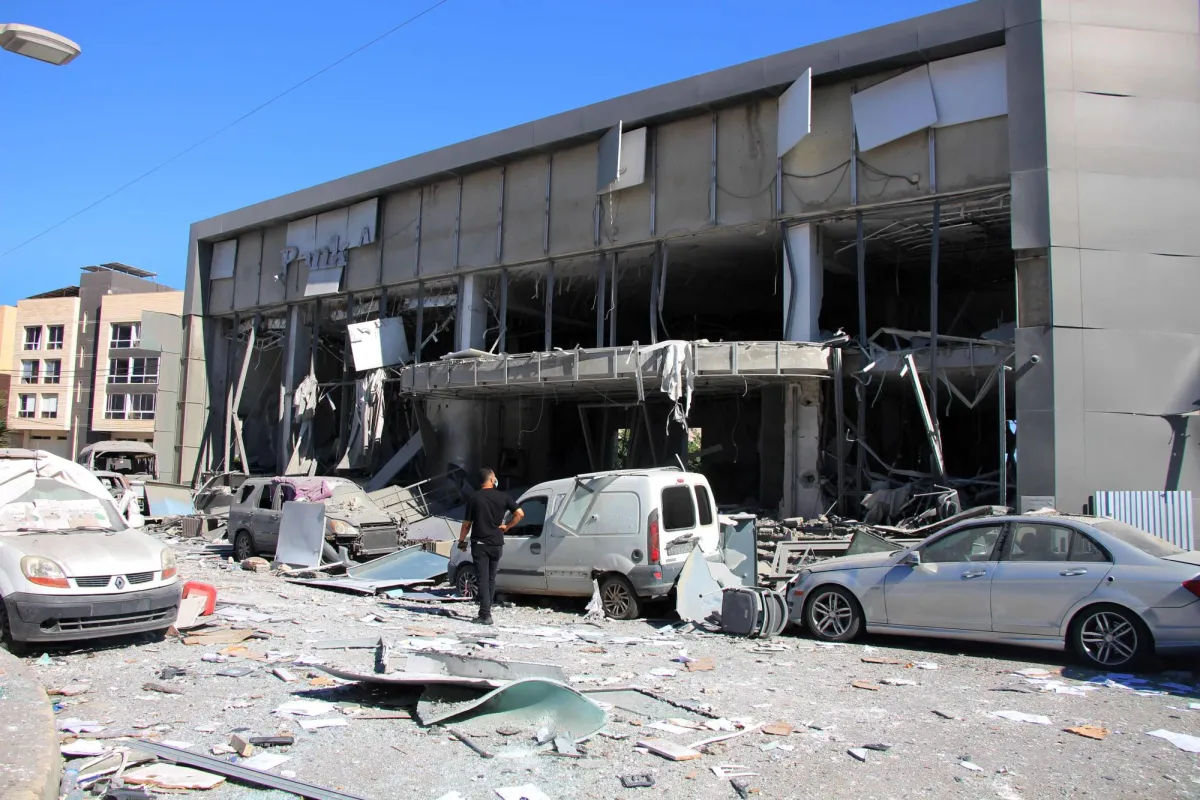
The most revealing detail is not the doubled figure itself but which outlets chose to attach it directly to the Israel conflict. Al-Monitor and Spacewar both inserted “amid Israel war” into their headlines, framing the appeal as an immediate consequence of cross-border fighting. English.aawsat.com reported the identical $640 million number and the same Geneva venue yet omitted any Israel reference, presenting the crisis instead as a regional Arab humanitarian emergency. This split tracks structural incentives: the Saudi-owned outlet operates inside a diplomatic environment still wary of explicit linkage after the recent US-brokered security zones, while the Washington-based specialist publication and the AFP wire treat the war as the dominant causal variable. The underlying data released by OCHA itself mentions only “severe deteriorating conditions,” leaving editors to supply the causal arrow. That choice matters because Lebanon’s displacement figures are now climbing again even as the ceasefire pilot zones remain in place, suggesting the humanitarian spike is being driven by renewed low-level exchanges rather than the formal end of hostilities. Readers therefore encounter two parallel stories: one that keeps the conflict visible and one that keeps it at arm’s length, each calibrated to the outlet’s larger regional posture.
3Putin Backs India’s Autonomy, Warns Sanctions on Russia Ties Futile
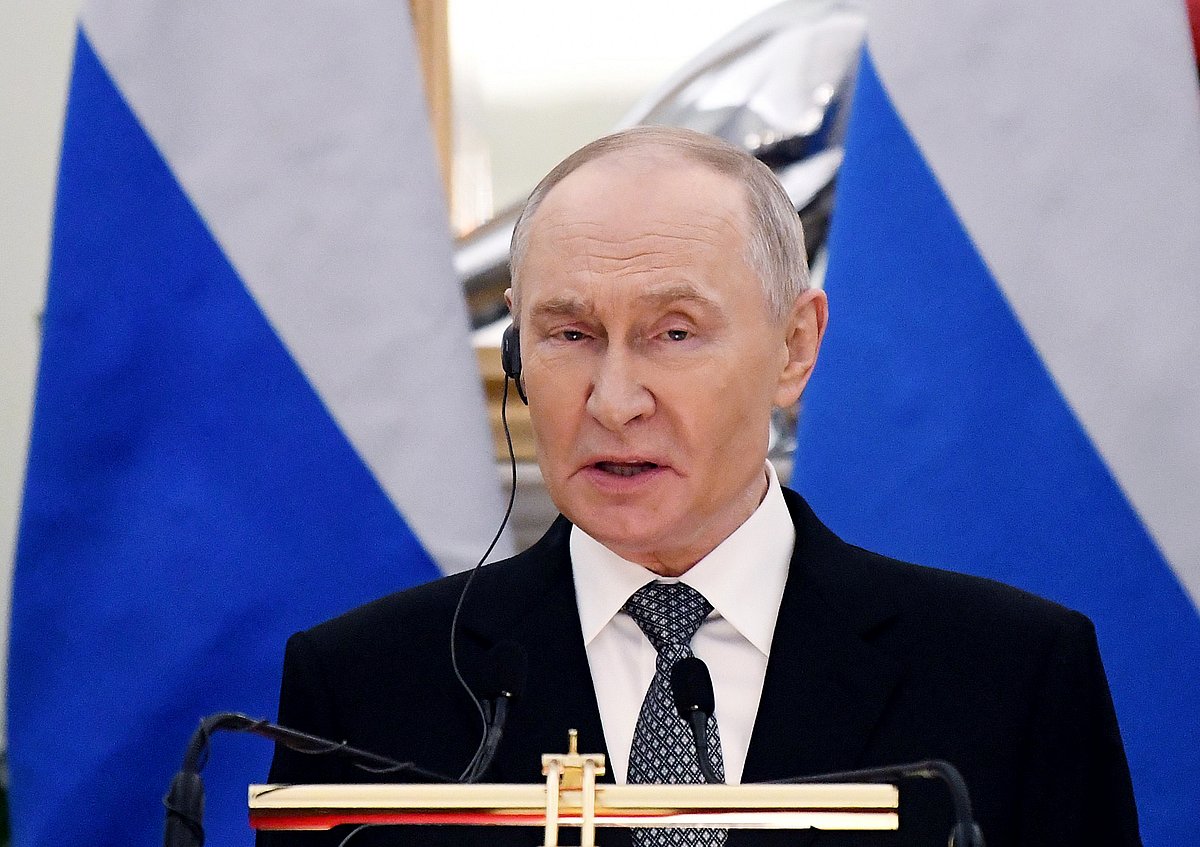
Indian coverage converges on a single point: Putin publicly validating New Delhi’s refusal to bend to Western sanctions pressure. Open Magazine leads with the language of enduring ‘brotherly’ relations and lists concrete areas of defence, energy and technology cooperation, treating the remarks as confirmation of a long-standing strategic alignment rather than a tactical statement. Hindustan Times instead foregrounds Putin’s direct endorsement of Modi’s leadership, quoting his warning that sanctions threats would ‘boomerang.’ Both frames sit within India’s domestic political context, where autonomy in foreign policy is a core electoral claim. The absence of any counter-narrative in these outlets underscores how little space exists in Indian English-language media for portraying Russia-India ties as problematic. This consensus reveals more than editorial preference; it mirrors the structural reality that New Delhi continues to source discounted Russian oil and advanced military systems while Western capitals press for alignment. By presenting Putin’s words as endorsement rather than entreaty, the reporting reinforces the message that India’s balancing act carries Russian approval at the highest level.
4Iran Says It Fired Warning Shots at US Destroyers in Gulf of Oman
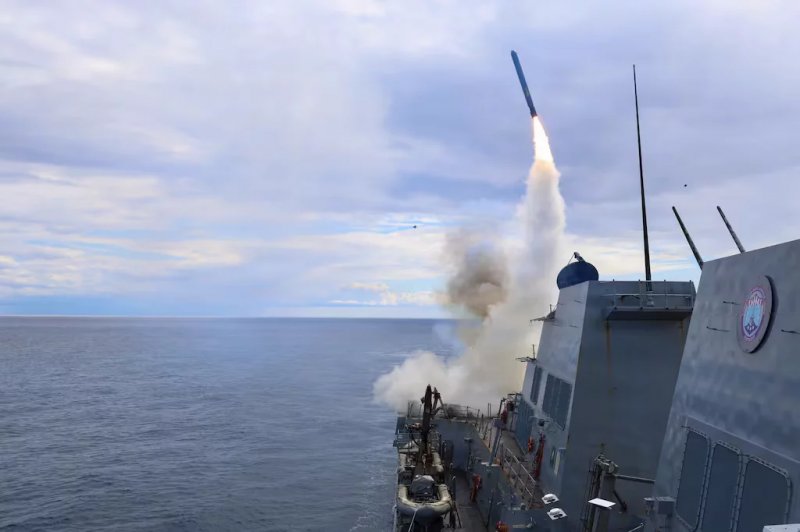
All three outlets anchor their reporting in the same Iranian assertion without independent confirmation or US rebuttal, revealing how thin the information environment remains for Gulf naval incidents. Spacewar.com frames the episode through technical naval specifics, noting the exact hull numbers and the claimed retreat path, consistent with its focus on US security hardware. News.az shifts emphasis to the Sea of Oman’s role as an energy transit corridor, implicitly linking the event to Azerbaijan’s interest in stable routes bypassing Iranian waters. Aa.com.tr embeds the claim inside the wider US-Israel-Iran triangle, treating the shots as another data point in a diplomatic standoff rather than an isolated tactical event. The convergence on Iranian-sourced language across a US military outlet, a Caucasus energy-focused site, and a Turkish state agency suggests the story’s primary value lies in what it signals about access rather than escalation. Because no Western warship has confirmed the encounter and market sensitivity registers at zero, the coverage functions more as a reminder of persistent friction than evidence of imminent crisis, a pattern that echoes earlier low-grade encounters where each side’s narrative travels independently.
5Lebanese President Aoun Tells Iran to Stop Using Lebanon as Bargaining Chip
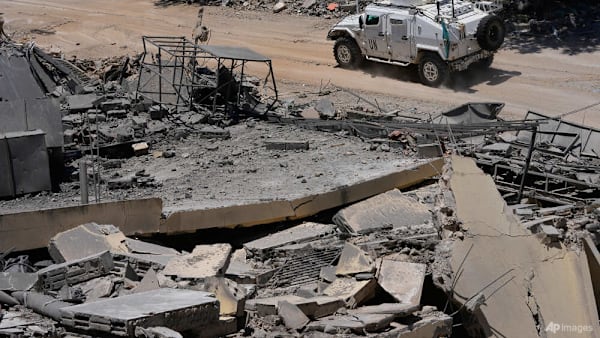
Aoun’s CNN interview lands at a precise moment when the June 3 ceasefire renewal is still fragile and both sides are testing its limits through limited strikes around Dibbine. The Jordan Times headline places the rebuke inside the daily rhythm of “Israel, Hizbollah trade attacks,” reflecting Amman’s interest in containing spillover that could reach its northern border. Israel National News isolates the most personal line—“It’s not your country”—because that phrasing directly validates the Israeli argument that Hezbollah is an Iranian proxy rather than a Lebanese actor. Xinhua folds Hezbollah secretary-general Naim Qassem into the same sentence as Iran, preserving Beijing’s habit of presenting all parties as equally responsible for any breakdown in talks. What unites the three accounts is the absence of any Lebanese domestic pushback against Aoun; even outlets that usually defend the “resistance axis” record the rebuke without qualification. That silence suggests the new president’s distance from Tehran is now treated as established fact rather than partisan assertion. The coverage therefore functions less as dispute reporting and more as confirmation that Lebanon’s post-election leadership has shifted the red line on Iranian leverage exactly when the ceasefire’s security-zone experiment is being implemented.
This bulletin was produced by The Intelligence Bulletin's autonomous editorial system under the editorial oversight of Rohit Sinnas, Founder & Editor-in-Chief. How it works →
That’s how the world told the story.
Get tomorrow’s bulletin by email — one briefing, up to six stories.
Subscribe freeNo spam. One-click unsubscribe. See the latest email →