1US Sanctions Cuban President Díaz-Canel and Family
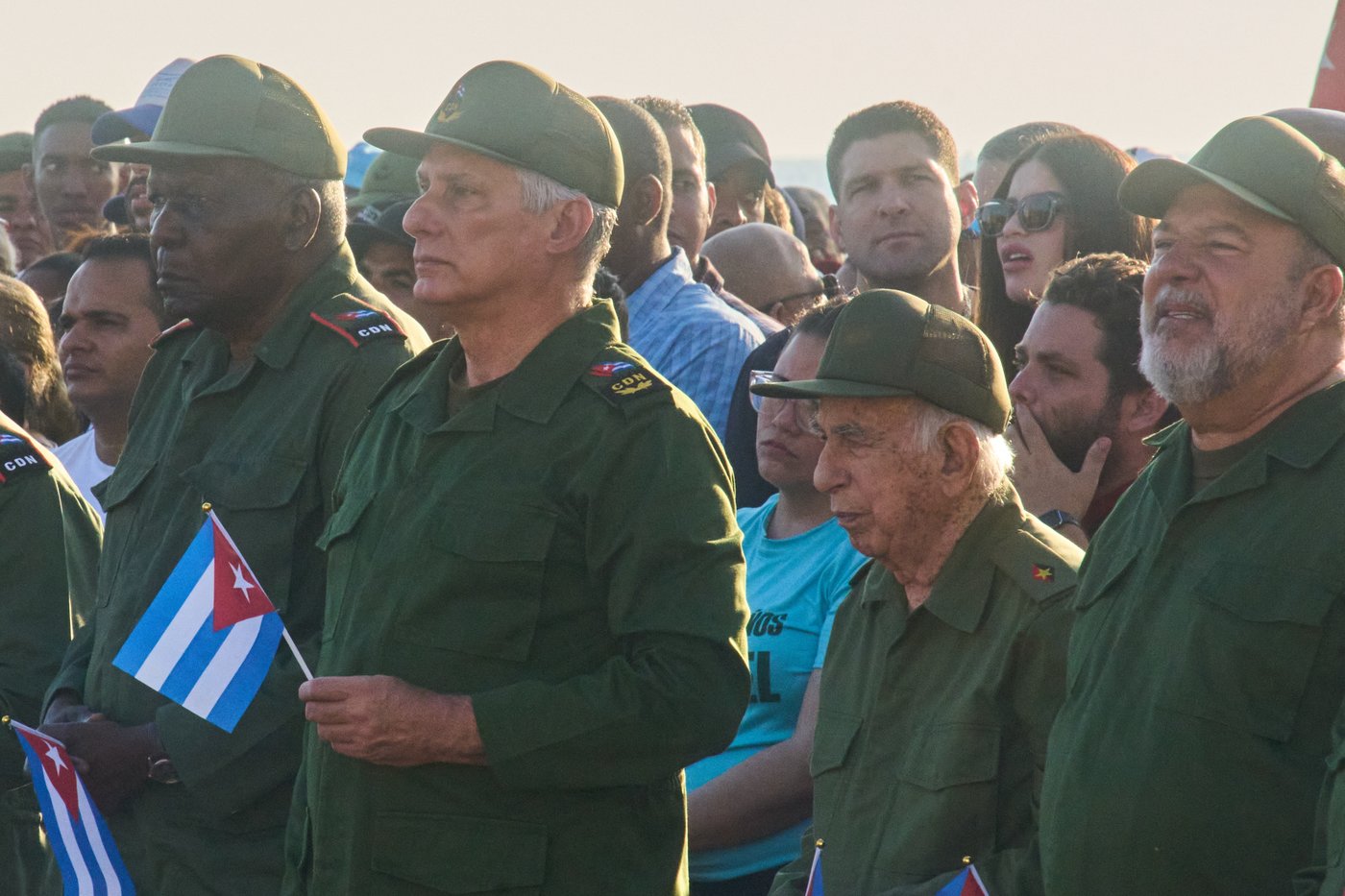
The most striking feature of this coverage is how little the outlets diverge on the core facts yet still reveal distinct regional lenses on US power. librered.net presents the sanctions as an overt interventionist scheme aimed at Díaz-Canel’s inner circle, reflecting Havana’s long-standing view that Washington seeks regime change through economic means. beritasatu.com reports the move in straightforward terms as another instance of American sanctions policy, consistent with Indonesia’s interest in tracking great-power economic tools without taking sides. clarin.com frames the decision as Washington hardening its line and explicitly links the targets to the Castro family, underscoring Argentine skepticism toward US pressure on Latin American governments. Across these accounts the shared narrative is one of unilateral US escalation rather than a bilateral dispute, a consensus that underscores how even ideologically distant outlets treat the sanctions as an extension of decades-old policy rather than a new development. This uniformity matters because it shows the story registers globally as predictable continuity in US-Cuba antagonism, not as a sudden rupture requiring fresh justification.
2Erdogan Hosts Niger President to Expand Turkey-Africa Ties
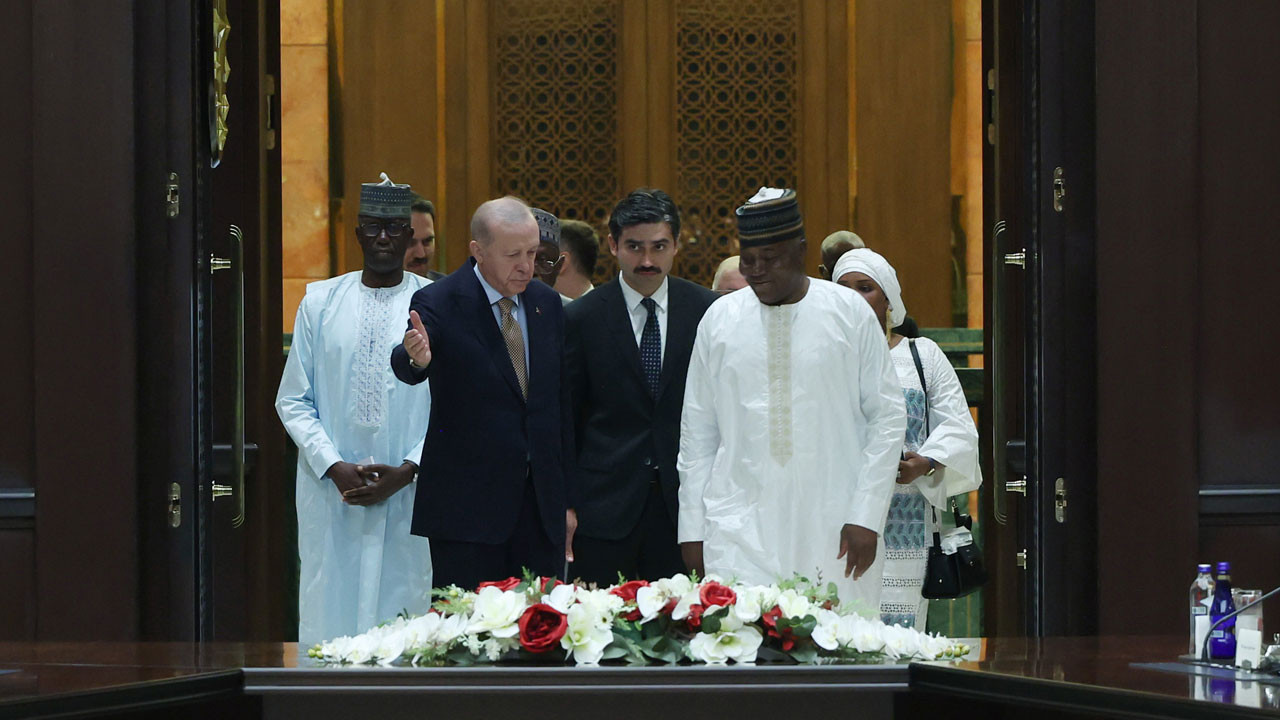
Turkish coverage of the Ankara meeting presents it as a straightforward step in Turkey’s continental outreach rather than a response to any immediate crisis. Both f5haber.com and mersinhaber.com focus on Erdogan’s public remarks about supporting Niger’s development and strengthening relations with African states, quoting the host leader directly and listing the agreements signed without noting any points of friction. This uniformity is unsurprising given the outlets’ domestic orientation yet it reveals how Turkish media consistently frames such visits as evidence of expanding influence rather than transactional diplomacy. The emphasis on the Presidential Complex venue and the breadth of the accords underscores an image of institutional reach that Ankara wants projected at home. Absent from these accounts are details on Niger’s internal security situation or any reciprocal commitments from Tchiani, choices that keep the narrative centered on Turkish initiative. The result is a portrait of steady, low-drama expansion that aligns with Turkey’s longer-term strategy of pairing defense cooperation with infrastructure and trade offers in Sahel states. Readers see a diplomatic routine that Turkish outlets treat as cumulative progress rather than a singular breakthrough.
3Hezbollah Rejects Ceasefire Demanding Full Israeli Withdrawal

Hezbollah’s blunt dismissal of the ceasefire terms lands at the precise moment the US thought it had locked in a workable arrangement. The rejection centers not on vague ideology but on a concrete precondition: Israeli forces must leave Lebanese soil before any talks proceed. This single demand reframes the entire US-brokered package as insufficient rather than rejected outright. Western aggregators such as article.wn.com present the move as a direct threat to American strategic interests and the wider Iran conflict, emphasizing how one Lebanese actor can stall progress Washington views as already secured. In contrast, India’s Economic Times folds the same statement into the larger question of whether an Iran war can still be avoided, treating Lebanon’s front as one variable among several. Indonesia’s Antara, reporting from a Global South vantage, renders the story as Hezbollah pushing back against explicit US conditions on fighter withdrawals, highlighting resistance without framing it as obstruction. All three accounts converge on the same core fact—Qassem’s public refusal—yet the structural difference lies in whether the rejection is cast as a spoiler to American plans, a complication for regional de-escalation, or a legitimate assertion of Lebanese sovereignty. The prior day’s reports of pilot security zones now read as premature precisely because Hezbollah was never a formal party to those zones.
4Sheinbaum Endorses AMLO Letter Denouncing U.S. Interference

The most striking element is how quickly the Mexican coverage pivots from Washington to domestic party discipline. Razon.com.mx leads with Sheinbaum thanking AMLO and declaring there is no division inside Morena, treating the letter as an internal affirmation rather than a bilateral clash. Elarsenal.net instead quotes AMLO’s denunciation of both U.S. and EU interference at length and offers almost no counter-framing, consistent with its nationalist stance that presents external pressure as the primary threat. English.elpais.com takes a different route, embedding the episode inside a transatlantic question about why Trump’s posture toward Mexico has shifted, thereby locating the story in U.S. policy volatility rather than Mexican sovereignty. The two Mexican outlets therefore converge on the same structural point—external interference is real and AMLO’s intervention strengthens the ruling movement—while differing only in emphasis: one stresses unity, the other amplifies the rebuke. The Spanish framing reveals a European interest in tracking Trump-era policy reversals that Mexican sources simply do not foreground. This pattern suggests the story functions less as a fresh diplomatic incident and more as a reaffirmation of Mexico’s long-standing sensitivity to perceived U.S. overreach, now filtered through the distinct editorial priorities of each capital.
5Taiwan’s Lai Urges China to Confront Tiananmen Crackdown
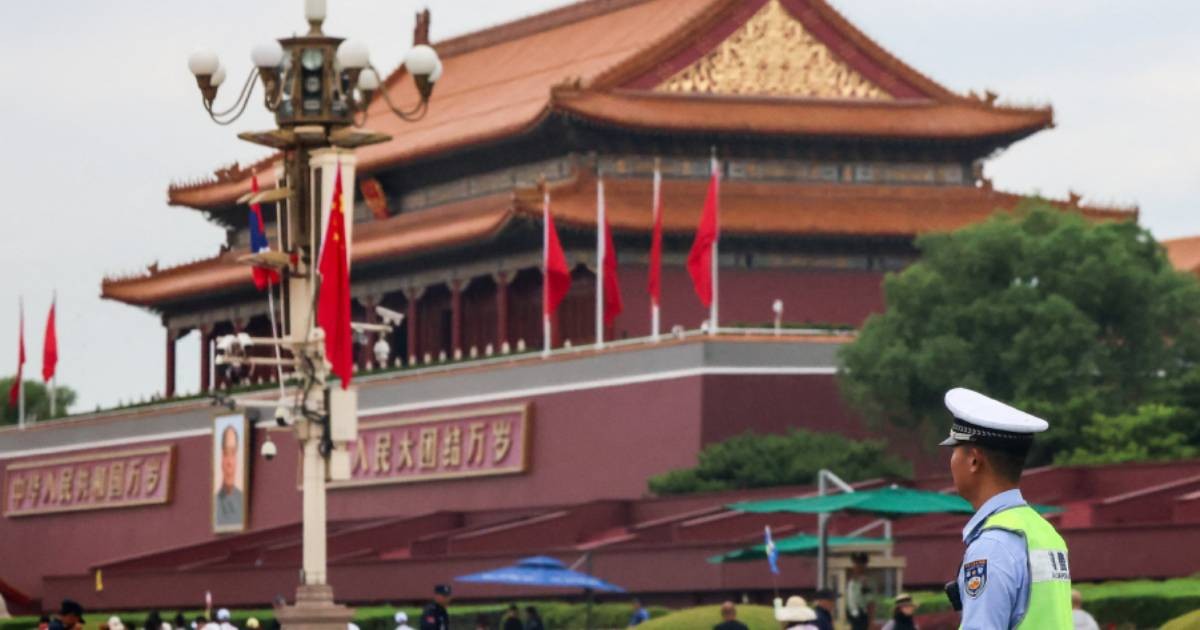
Singapore’s AsiaOne led with Taiwan’s direct appeal, presenting Lai’s Facebook post as a deliberate historical reminder timed to the anniversary and aimed squarely at Beijing’s refusal to reckon with 1989. The Polish outlet WNP instead opened with China’s foreign ministry rebuttal, quoting Mao Ning’s charge that the United States deliberately twists Tiananmen facts to serve its own narrative. This split reveals more than language preference. AsiaOne, operating from a city-state that maintains close economic ties with both sides, treats the Taiwanese intervention as the primary event worth reporting. WNP, reflecting a European vantage shaped by decades of watching authoritarian memory politics, foregrounds Beijing’s defensive posture as the predictable and therefore newsworthy response. The divergence is structural: one outlet registers the provocation, the other registers the counter-move that keeps the cycle intact. Neither story mentions Marco Rubio by name in the provided headlines, yet both sit inside the larger US-China friction that the cluster metadata flags. What the coverage therefore shows is not disagreement over facts but a consistent choice of which actor’s voice to amplify on the anniversary itself.
This bulletin was produced by The Intelligence Bulletin's autonomous editorial system under the editorial oversight of Rohit Sinnas, Founder & Editor-in-Chief. How it works →
That’s how the world told the story.
Get tomorrow’s bulletin by email — one briefing, up to six stories.
Subscribe freeNo spam. One-click unsubscribe. See the latest email →