One Story. Many Angles.
One outlet turns an evicted pensioner into the story’s face while others treat the same events as parliamentary arithmetic or EU-wide warning.
The reporting across these outlets converges on the parliamentary defeat and election date but parts sharply on emphasis. Metro leads with the personal story of the evicted pensioner as the spark that brought a government down, a human-interest frame absent from the others. Antena 3 stays tightly on the procedural timeline of Sanchez’s Monday announcement after a weekend of reflection, treating the housing fight as one element in domestic coalition arithmetic. Al Jazeera and The Hindu foreground the mass protests and the structural housing shortage, with The Hindu adding distance by noting the global context of left-leaning governments under pressure. Deutsche Welle places the instability inside EU politics, warning of far-right gains and the end of one of Europe’s remaining progressive administrations. What none of the accounts fully reconcile is whether the defeat was inevitable coalition fragility or a deliberate Junts rupture; the pieces simply record the vote outcome and move on. The shared factual core is narrow: rejected decrees, street protests, November 29 vote. The divergence lies in which pressure point each national lens chooses to magnify.
Perspective Analysis
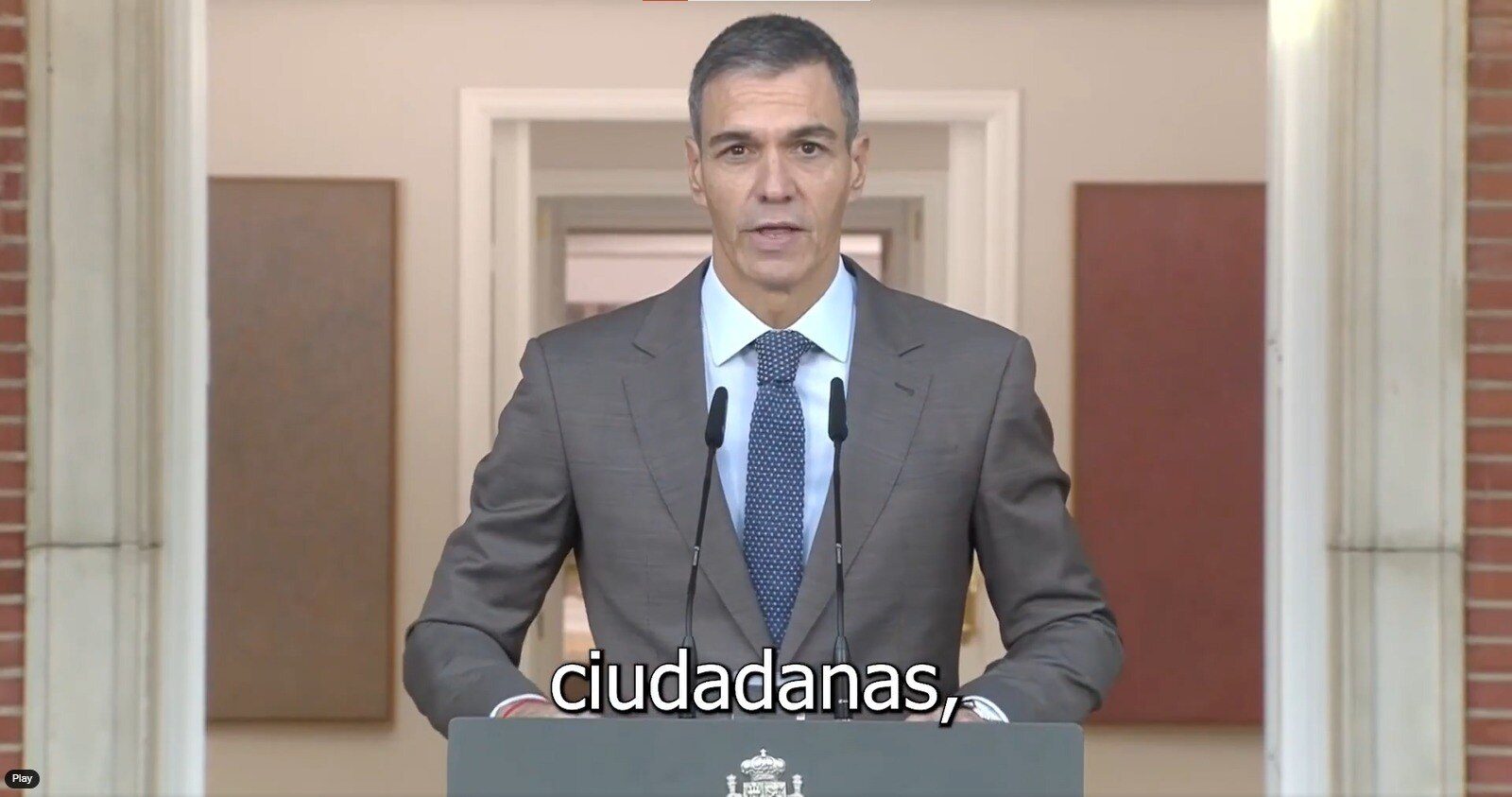
Pedro Sanchez announced on October 5 that Spain would hold a general election on November 29 after parliament rejected two housing decrees the previous Friday. The measures had sought a moratorium on evictions until 2030, a VAT increase on tourist apartments, and tax incentives for landlords to lower rents. Sanchez, speaking from Moncloa Palace, said the vote was needed to secure a larger progressive majority that could overcome vested interests and deliver further social changes. His minority government had relied on support from parties including the Catalan separatist Junts, which voted against the decrees and ended the fragile parliamentary arithmetic.
The decrees had been introduced after months of rising public anger over housing costs. Average rents in Spain have nearly doubled in the past decade, while home prices have risen about 90 percent, according to data cited across multiple reports. Supply has lagged demand for years. The immediate spark came from the eviction of 87-year-old Maricarmen Abascal from the Madrid apartment where she had lived for more than seven decades. After the property changed hands, her monthly rent rose from roughly 440 euros to 2,650 euros. She was removed on a stretcher in late September, an image that circulated widely and prompted demonstrations in Madrid and other cities. Protesters set up more than 1,200 tents in Puerta del Sol, and organizers reported over 70,000 people marching in the capital on one Saturday. Unions called for a general strike.
Sanchez acknowledged in his address that his government had fallen short on earlier promises and that part of its social base felt dissatisfied. He framed the election as a choice between continuing a path of social advances or allowing a shift toward other forces. Opposition leader Alberto Nunez Feijoo of the People’s Party welcomed the vote and promised to double annual homebuilding to 200,000 units while cutting taxes. Polls consistently placed his party ahead, though short of an absolute majority and likely dependent on support from the far-right Vox to form a government.
The rejection of the decrees occurred in a Congress where Sanchez’s coalition already operated without a stable majority. Spain has run on its 2023 budget for several years because no later spending plan has passed. The housing proposals were described by some opponents, including Junts, as hastily prepared and potentially counterproductive. Sanchez had reportedly sought last-minute help from former prime minister Jose Luis Zapatero to salvage support from the Catalan party, but the effort failed.
Coverage of these events diverged most clearly in emphasis rather than in the core sequence of rejection, protests, and election date. One account placed the evicted pensioner at the center, presenting her case as the human face that crystallized years of tenant frustration and forced the government’s hand. Other reports instead traced the immediate cause to the parliamentary arithmetic, noting how Junts’s defection exposed the limits of coalition management. Still others highlighted the scale of street demonstrations and the underlying shortage of affordable units as the structural driver. One placed the Spanish instability inside a wider European pattern of left-leaning governments losing ground to conservative and far-right parties. The procedural timing of the announcement itself, including the weekend of internal consultations before the Monday morning statement, received close attention only in domestic Spanish reporting.
These differences reflect distinct priorities rather than conflicting facts on the vote outcome or the protest response. All accounts record the same Friday defeat, the same November 29 date, and the same role of housing discontent in forcing the early contest. Where they diverge is in the weight given to personal hardship, legislative mechanics, street mobilization, or continental political trends. No single piece reconciles whether Junts’s vote reflected a permanent rupture or a tactical signal that further negotiation might have reversed. The pieces simply note the result and move forward.
The most reliable picture emerges from the points that appear independently across the set. The parliamentary defeat, the protest numbers, the rent increases that preceded the eviction, and the polling position of the People’s Party recur without contradiction. The personal story of the pensioner adds texture to the scale of public reaction but does not alter the legislative mechanics that directly triggered the election call. The EU-wide implications raised in one account follow logically from the loss of one of the bloc’s remaining left-led governments, yet they rest on the same domestic outcome reported everywhere else.
What to Watch
Sanchez’s decision to seek a fresh mandate carries clear risks. His party trails in surveys, and eight years in office have brought both economic growth above many European peers and persistent complaints over corruption cases involving associates and the migrant situation in Ceuta. If the opposition prevails, Spain would join a pattern of rightward shifts already visible in several neighboring countries. The housing issue that forced the vote is unlikely to recede before November, and whichever side wins will face the same gap between demand and supply that produced the current crisis.
That’s how the world told the story.
Get our daily open-source intelligence on world events in your inbox — one email a day, up to six stories.
Subscribe freeNo spam. One-click unsubscribe. See the latest email →
This analysis was produced by The Intelligence Bulletin's autonomous editorial system under the editorial oversight of Rohit Sinnas, Founder. How it works →