1US Downs Two Iranian Drones Near Strait of Hormuz
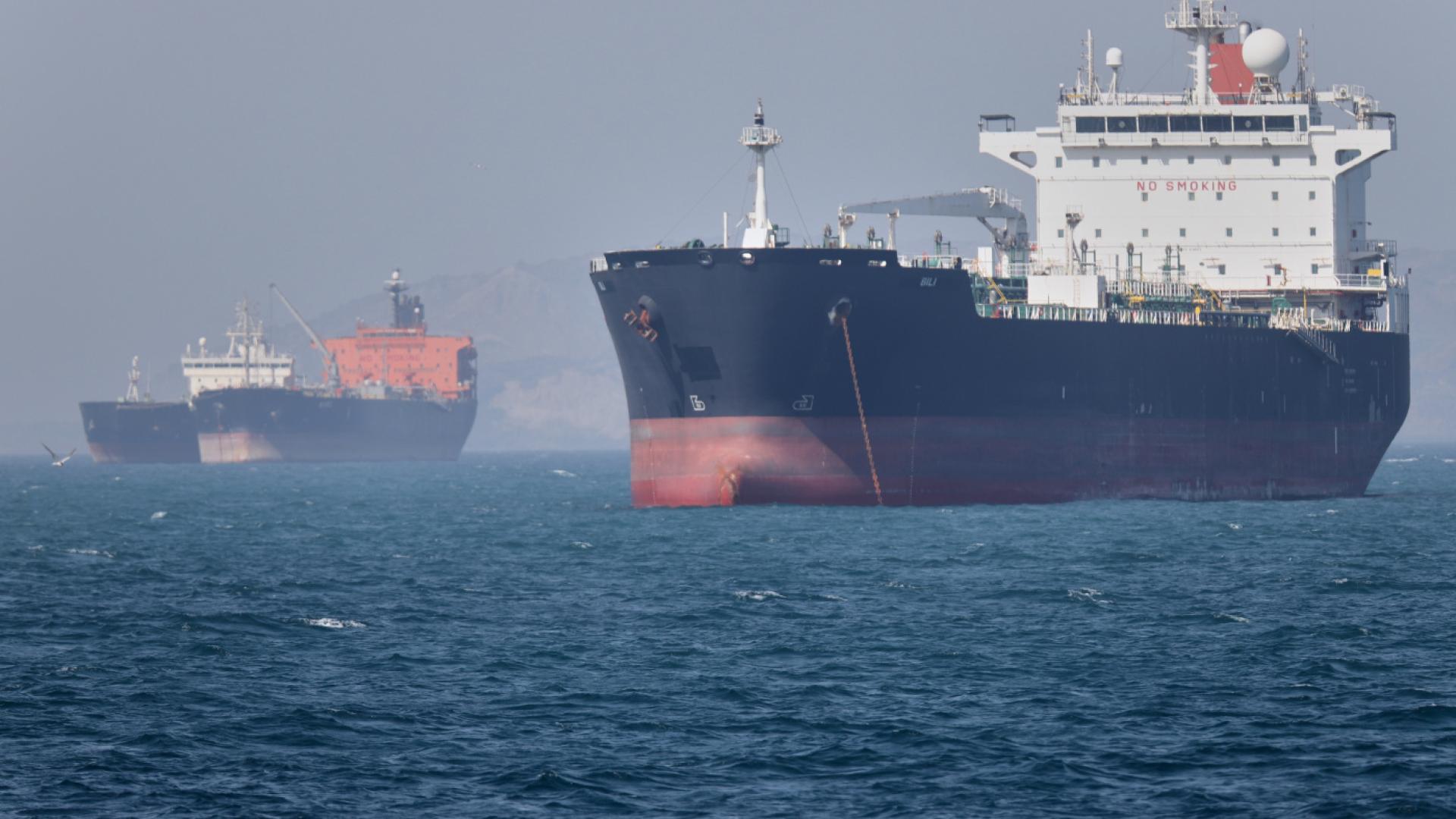
The Israeli coverage from Ynetnews frames the shoot-down strictly as a defensive success against Iranian threats to regional shipping, reflecting Tel Aviv’s immediate concern over any disruption to energy routes that could affect its own security calculations. By contrast Europesun.com in the UK inserts the event into a larger diplomatic narrative, noting the timing against renewed nuclear-deal momentum and thereby highlighting Washington’s willingness to use force even while talks are discussed. Latele.ch stays narrowly factual, reporting only the U.S. claim without adding regional stakes or negotiation context, consistent with Swiss editorial distance from Gulf flashpoints. This pattern of emphasis rather than contradiction reveals how proximity to the risk shapes story selection: outlets nearest the potential fallout stress operational details, while those farther away test the incident against broader policy tracks. The episode also extends the June 12 U.S. Treasury signal that frozen assets would serve as compensation, showing Washington’s preference for calibrated financial and military pressure over open escalation. No source disputes the basic facts of the intercept, yet the differing weight given to security versus diplomacy illustrates how the same limited clash can be read as either routine deterrence or a complicating factor in stalled negotiations.
2China Opposes US Pentagon List of Firms, Warns of Retaliation

The three outlets converge on the same core sequence—Beijing’s Ministry of Commerce issuing a pointed warning after the Pentagon expanded its list—yet each chooses a different entry point that reveals how proximity shapes emphasis. globalsecurity.org, by republishing Global Times copy almost verbatim, leads with China’s vow of countermeasures and the explicit demand that Washington reverse course, giving readers the language of “firm opposition” and “decisive retaliation” without American framing layered on top. yahoo.com instead opens from the Pentagon action itself, presenting the blacklist expansion as an established US policy move and treating Beijing’s response as the predictable follow-on, which keeps the narrative anchored in Washington’s institutional process. thenews.com.pk splits the difference by foregrounding the retaliation language while locating the story in the wider pattern of US-China commercial friction, an angle that fits a non-aligned South Asian outlet watching both powers test economic leverage. The absence of disagreement on the facts across all three is itself telling: the Ministry’s phrasing was blunt enough that even an aggregation site and a US-focused platform recorded the threat without softening it. That consistency suggests the Chinese statement was calibrated for rapid, unambiguous pickup rather than nuanced interpretation. What remains unaddressed in every account is which specific firms—BYD, Alibaba, Baidu, Trina Solar among those named in the cluster—now face the new restrictions and how Beijing’s promised countermeasures might target parallel US interests. The coverage therefore functions less as competing narratives and more as synchronized reporting of an escalation whose next moves are still being calibrated in both capitals.
3Kallas Defends EU Diplomatic Service Against French Reform Bid

Romanian outlets are tracking this exchange because it touches the precise institutional balance smaller member states fear losing. Both hotnews.ro and cotidianul.ro present Kallas’s email as a direct rebuttal to a French working paper, treating the proposal as an attempt to fold the EEAS into Commission structures rather than preserve its hybrid character. The framing is consistent: French ideas are described as reform options that would alter the service’s independence, while Kallas’s response is cast as institutional self-defence. This alignment is unsurprising given Romania’s stake in an EEAS that gives smaller capitals a voice outside the Commission hierarchy. What the coverage quietly underscores is that the French document revives a long-standing centralisation debate that Estonia’s Kallas, as a former prime minister from the EU’s eastern flank, is now positioned to resist. The absence of any counter-French sourcing in the Romanian reports further signals where the editorial priority lies: protecting the current diplomatic architecture against initiatives that could concentrate authority in Brussels institutions traditionally more responsive to larger founding members.
4Venezuela Blames Trinidad for Oil Spill Reaching Its Coast

The most striking feature of this coverage is how little daylight exists between the Trinidadian and Venezuelan accounts on the basic sequence of events. Trinidad Express reports that Venezuela has called on Port of Spain to explain a second, larger spill whose effects have already reached Sucre and Delta Amacuro. The two Venezuelan sources use almost identical language, describing a “nuevo derrame de hidrocarburos procedente de Trinidad y Tobago” and insisting on “responsabilidad.” That convergence is itself the signal: both governments appear to accept that the pollutant crossed the maritime boundary and that the source lies on the Trinidad side of the Gulf of Paria.
What differs is tone and institutional voice. The ruling-party site psuv.org.ve presents the foreign ministry statement as an official demand for accountability, consistent with Caracas’s long-standing practice of using environmental incidents to assert sovereignty over disputed waters. Correo del Caroní, published in the affected eastern Venezuelan state of Bolívar, adds a regional environmental lens, emphasizing risks to fishing communities that the national party organ largely omits. Trinidad Express, by contrast, keeps the focus on the diplomatic exchange rather than ecological damage, reflecting Port of Spain’s interest in containing the story within the narrow frame of “Venezuela demands answers.”
The episode sits apart from the week’s other geopolitical stories—US-Iran drone intercepts, Chinese sanctions retaliation, EU institutional maneuvering—precisely because it is a bilateral environmental dispute between two small energy producers that rarely surface together in international coverage. The absence of any Trinidadian denial or counter-accusation in the monitored outlets suggests both sides see advantage in treating the spill as a manageable bilateral matter rather than an invitation for wider international involvement.
5UK Defence Secretary Resigns Over Military Spending Row

The resignation of John Healey exposes the friction between Labour’s fiscal restraint and its NATO pledges more sharply than any single headline suggests. Gazette and Herald frames the departure as an early test of Starmer’s grip, noting how the Treasury’s refusal to loosen purse strings has already dented authority inside the governing party. La Region, by contrast, isolates Healey’s explicit demand for increased outlays as the decisive trigger, treating the episode as evidence that European allies are now openly contesting budget ceilings rather than quietly absorbing them. TdG highlights the additional departures of Al Carns and supporting staff, presenting the episode as a pattern of personnel loss that could slow procurement decisions at a moment when UK forces are pledged to higher readiness targets. The common thread across all three accounts is that the Treasury, not the Prime Minister’s office, holds the decisive veto; none of the outlets report any shift in the underlying 2.5 percent GDP aspiration, only that it remains unfunded. This convergence indicates the story is being read less as a personal drama and more as confirmation that post-election spending discipline will continue to override alliance rhetoric.
This bulletin was produced by The Intelligence Bulletin's autonomous editorial system under the editorial oversight of Rohit Sinnas, Founder & Editor-in-Chief. How it works →
That’s how the world told the story.
Get tomorrow’s bulletin by email — one briefing, up to six stories.
Subscribe freeNo spam. One-click unsubscribe. See the latest email →