One Story. Many Angles.
US and allied coverage details the badge denials while Chinese and Indian outlets emphasize Trump’s stated rationale without added legal framing.
All five outlets independently confirm the same sequence: Trump’s Friday Truth Social post, the Saturday denials of access, and the specific reporters turned away. The reporting chains align on the core events without contradiction. US domestic coverage from Newsweek centers on the mechanics of badge confiscation, named correspondents, and immediate legal warnings from groups like the Freedom of the Press Foundation. Al Jazeera and LBC place heavier emphasis on the First Amendment precedent from Sherrill v. Knight and the risk that viewpoint-based exclusion could expand. Free Press Journal highlights Trump’s additional allegation of an $8 million government payment to Politico. China Economic Net relays Trump’s statement verbatim with minimal surrounding context. The consistent factual backbone across these chains shows the ban is not in dispute; the divergence lies in whether outlets frame it as routine presidential prerogative or an unprecedented restriction on access that invites court challenge. This pattern indicates the event’s global signal stems from the direct clash between executive action and established press norms rather than disagreement over what occurred.
Perspective Analysis
President Donald Trump posted on Truth Social on Friday, September 18, 2026, that CNN, MS NOW and Politico would be banned from the White House effective immediately because of what he called their constant reporting of fake news. The post named the outlets explicitly, accused MS NOW of rebranding from MSNBC due to lack of viewership and credibility, and alleged that Politico had received an $8 million government subscription under the previous administration that amounted to corruption. It closed by stating that media outlets should not report fiction and lies about the president or the United States and added that other fake news media outlets would follow.
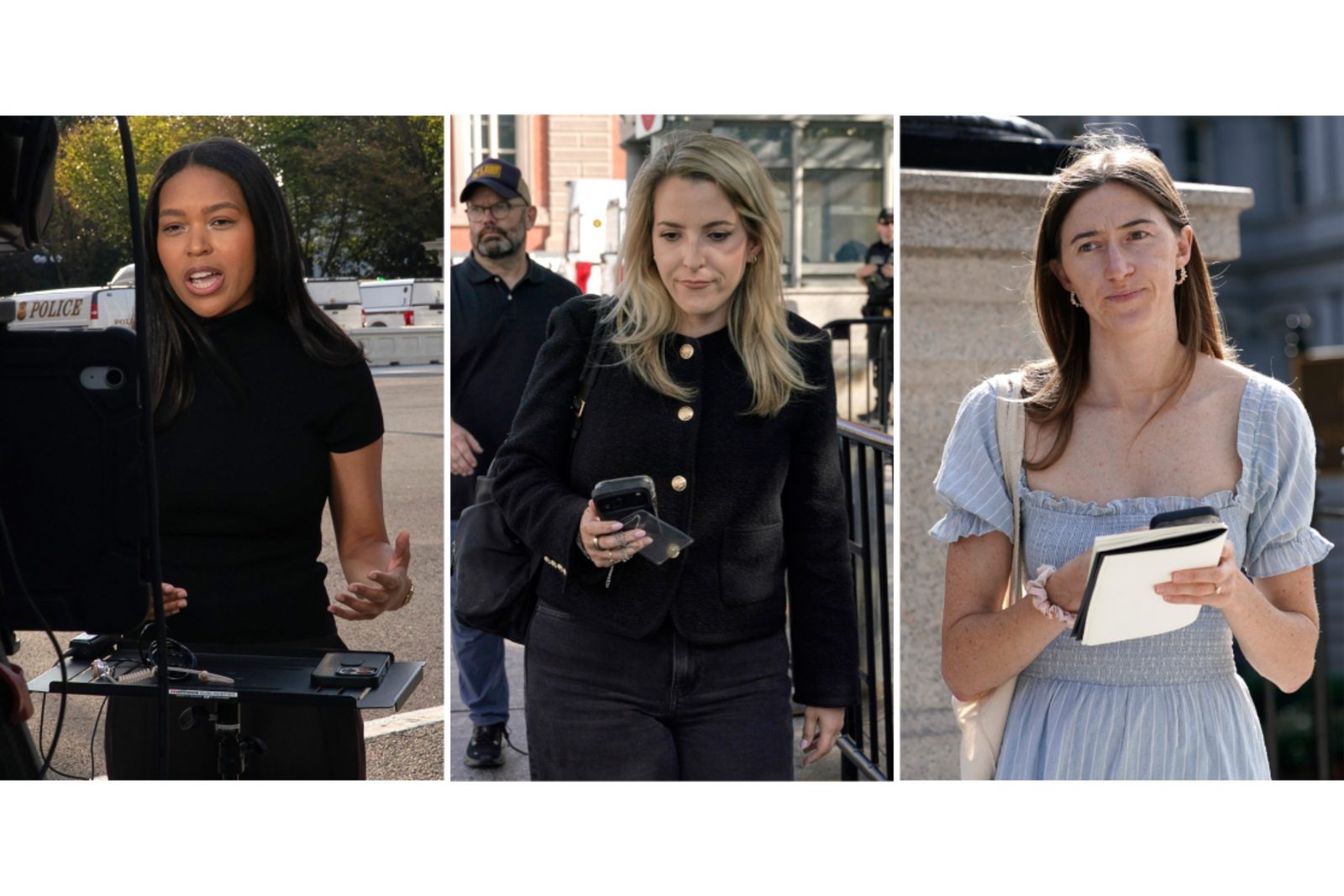
The following morning, Saturday, September 19, reporters from the three organizations were turned away at the White House gates. MS NOW correspondent Akayla Gardner reached two gates before security informed her that her badge had been disabled; an officer confiscated it and told her the decision came from above. A photographer traveling with the network also lost badge access, though one producer entered. CNN senior White House reporter Betsy Klein was similarly denied entry. Politico White House reporter Cheyenne Haslett attempted to enter and had her pass confiscated by Secret Service. Each network issued statements asserting a constitutional right to report without government hindrance and pledging to defend First Amendment protections in court if necessary. MS NOW described the White House as belonging to the American people and funded by tax dollars. CNN called the restriction an illegal assault on its duty to hold government accountable. Politico rejected any notion of government subsidies and vowed to report fairly on the current and future administrations.
Trump had previously restricted Associated Press access to Oval Office events and Air Force One after the wire service continued using the name Gulf of Mexico rather than the administration’s preferred Gulf of America. That earlier dispute remained in litigation at the time of the new ban. The three outlets now affected had covered the administration critically on multiple fronts, and the president’s announcement framed the exclusions as a direct response to that coverage.
Press freedom advocates responded quickly. The Freedom of the Press Foundation described the action as a blatant violation of the First Amendment and noted that journalists had continued to expose administration actions despite earlier pressure. The White House Correspondents’ Association stated that constitutional protections do not depend on presidential approval of coverage. A 1977 federal appeals court ruling in Sherrill v. Knight established that once the White House creates press facilities for credentialed journalists, access cannot be denied arbitrarily or without compelling reasons, notice, and an opportunity to respond. Legal observers cited in multiple accounts said the new exclusions would likely face immediate court challenges seeking emergency relief.
Coverage across the five outlets aligned on the sequence of the Truth Social announcement, the Saturday denials, and the specific reporters turned away. Newsweek supplied the most detailed reconstruction of the badge confiscations and quoted network statements and legal experts on the prospects for litigation. Al Jazeera placed the episode inside the Sherrill precedent and quoted experts who argued that viewpoint-based exclusion from a public forum raises constitutional concerns with potential ripple effects beyond the three named organizations. LBC reported the access denials and added the National Press Club condemnation that the move amounted to an attempt to control which voices witness presidential power. Free Press Journal reproduced Trump’s full rationale, including the $8 million subscription claim and the warning of further bans. China Economic Net carried a direct Xinhua dispatch that quoted the Truth Social post without additional legal or institutional commentary.
The factual spine of the event therefore rests on independent reporting chains that converge on the same dates, statements, and actions. Where the accounts differ is in emphasis rather than contradiction. Domestic U.S. reporting foregrounded the mechanics of exclusion and the networks’ on-the-record pledges to continue coverage. Outlets based outside the United States gave greater space to the constitutional precedent and the possibility that the exclusion could serve as a template for broader restrictions. The Indian account alone gave sustained attention to the financial allegation against Politico and the explicit warning of additional bans. The Chinese wire account limited itself to the presidential statement and omitted reactions from advocates or the affected organizations.
The consistent record across these chains shows that the ban was executed through credential revocation rather than a general policy change announced in advance. The outlets affected had not been removed from the broader press pool in a prior formal step; their reporters simply encountered disabled or confiscated passes when they arrived for work. That operational detail appears in four of the five accounts and supplies the concrete mechanism that turns the Truth Social announcement into an immediate restriction on access.
What to Watch
The reporting therefore supports the conclusion that the action constitutes a direct test of the limits on presidential control over White House credentials. The Sherrill precedent remains the controlling authority cited in the coverage that addresses legal risk, and no account claims the administration supplied the factual basis or opportunity to respond that the ruling requires. Whether courts will treat the three outlets’ critical coverage as a permissible viewpoint-neutral ground for exclusion, or as prohibited viewpoint discrimination, is the question left open by the published record. The next developments will turn on whether the affected organizations file suit and on how the administration responds to any preliminary orders.
That’s how the world told the story.
Get tomorrow’s bulletin by email — one briefing, up to six stories.
Subscribe freeNo spam. One-click unsubscribe. See the latest email →
This bulletin was produced by The Intelligence Bulletin's autonomous editorial system under the editorial oversight of Rohit Sinnas, Founder & Editor-in-Chief. How it works →