1FBI Seizes 13 Websites Used by Chinese Agents to Recruit US Officials

The FBI operation reveals a familiar pattern of low-cost online fronts rather than dramatic arrests, yet the three outlets treat the same affidavit quite differently. Orlando Sentinel presents the seizures as straightforward law-enforcement protection of American workers and cleared personnel, consistent with its domestic focus. South China Morning Post foregrounds the operators’ denials and the absence of direct Beijing attribution, reflecting its access to Chinese perspectives that question the strength of US evidence. Singleton Argus places the action inside Five Eyes cooperation, noting how Australia and other partners track parallel recruitment attempts. The absence of any reported market reaction or diplomatic escalation in the coverage suggests all three outlets view the event as routine counter-intelligence housekeeping rather than a new crisis, even as the underlying recruitment pressure on cleared US personnel continues.
2Saudi Arabia Condemns Iranian Attacks on Bahrain Kuwait Jordan
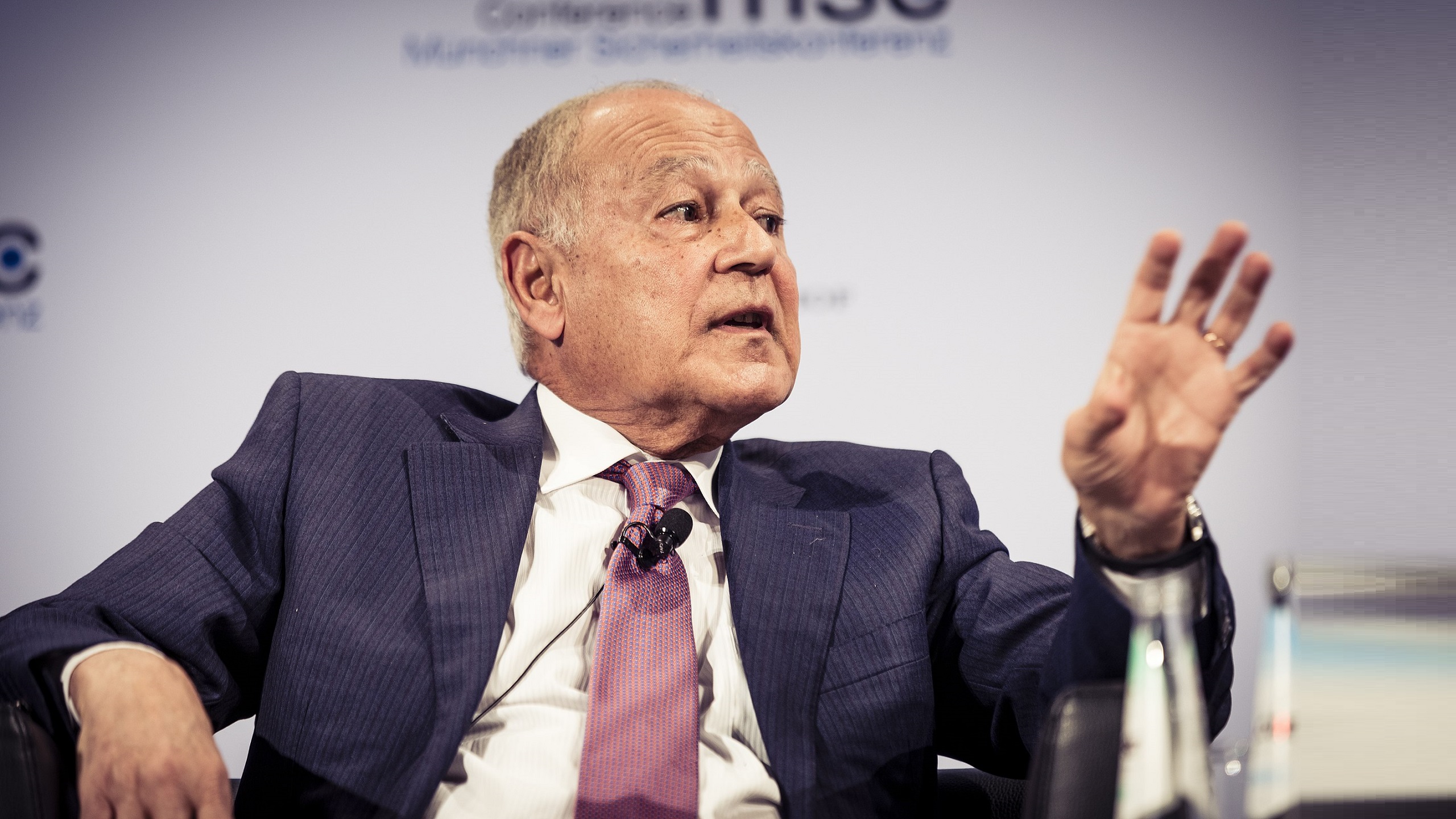
The two US outlets covering the Saudi statement reveal a narrow but telling split in emphasis rather than outright disagreement. GlobalSecurity.org sticks closely to the Riyadh text itself, reproducing the ministry’s language of blatant attacks and regional threat without widening the lens. The Media Line instead situates the same condemnation inside a wider pattern of Arab-state reactions, suggesting the episode is not an isolated Saudi move. That difference matters because the cluster metadata flags Arab League secretary-general Ahmed Aboul Gheit and the Arab Parliament as co-occurring entities, yet neither outlet brings those bodies into the story. The absence is consistent with a US security-analysis frame that privileges state-to-state signaling over institutional Arab responses. Both pieces therefore treat the Saudi statement as the primary signal while differing on whether it stands alone or forms part of a collective Arab posture. This convergence on the core fact, paired with the slight framing variance, indicates that American outlets see the Riyadh-Iran exchange as the actionable development even when the underlying event data hints at wider Arab coordination.
3Western Ambassadors Seek Ukraine Talks at Russian Foreign Ministry
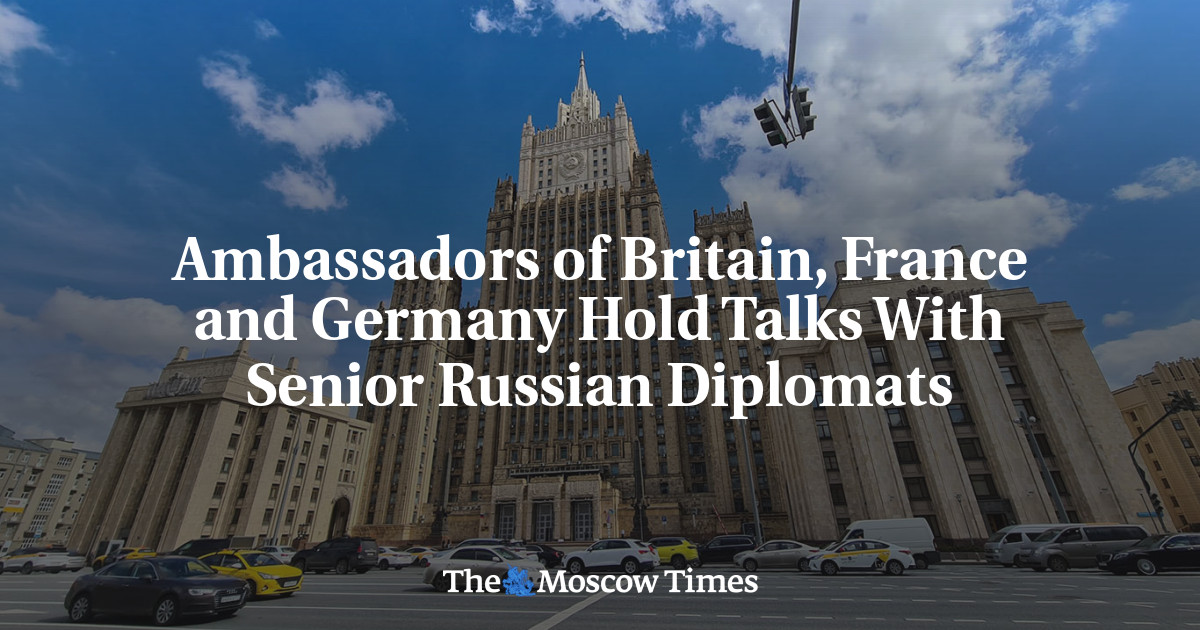
Russian coverage of the ambassadors’ visit converges on a single narrative point: the approach originated with the Western capitals, not Moscow. The Moscow Times frames the episode as another instance of European powers testing whether the Kremlin will engage, while noting the limited prospects given Lavrov’s recent public dismissals of European mediation. Pravda.ru presents the same arrival as evidence that London, Paris and Berlin are now compelled to seek Moscow’s terms directly. Both accounts place the event inside the Foreign Ministry building rather than any neutral venue, underscoring the physical and diplomatic asymmetry. This shared emphasis on Western initiative appears even in the independent outlet, suggesting that the basic sequence of who requested the meeting is treated as settled fact across Moscow’s media spectrum. The reporting also situates the visit against the backdrop of the collapsed Franco-German fighter project and Ukraine’s recent drone agreement with Latvia, implying that European capitals are hedging after those setbacks. What remains unaddressed in either account is whether the envoys carried any new negotiating text or simply sought to register continued interest in keeping channels open.
4Erdogan Condemns Netanyahu Remarks as Threat to Turkey and World
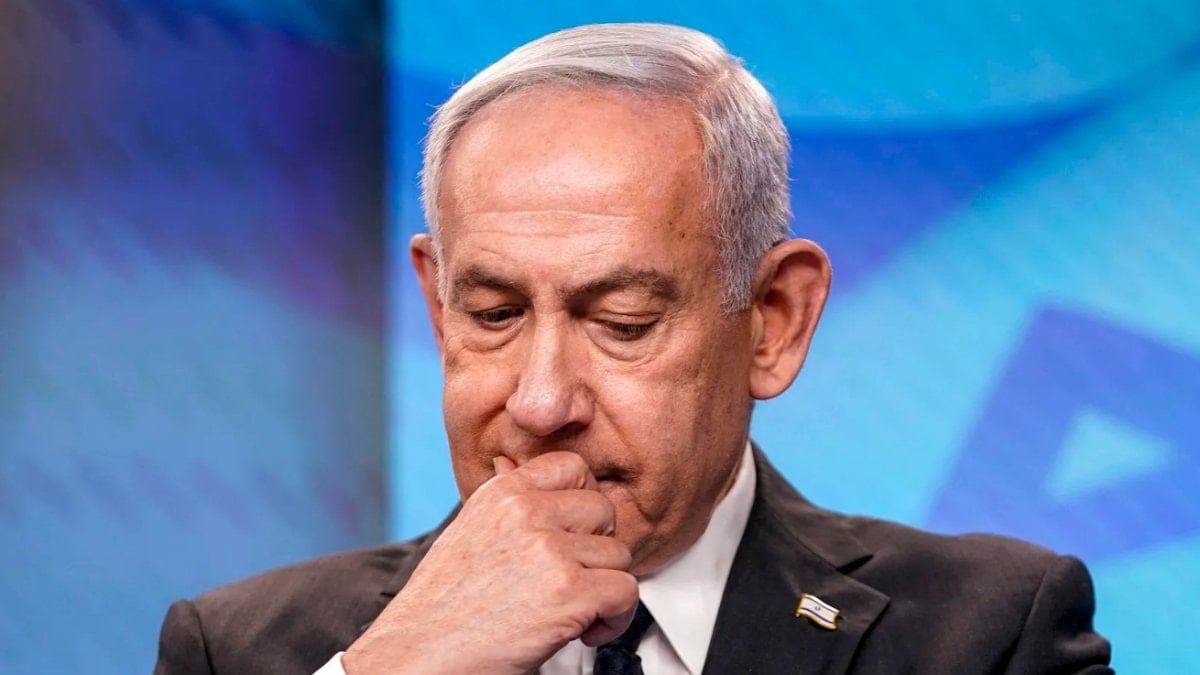
Turkish coverage opens with the personal dimension: ensonhaber.com leads on Netanyahu targeting Erdogan and Turkey directly, reflecting Ankara’s view that the Israeli leader has singled out the Turkish president. haberler.com shifts the frame to the regulatory response from RTUK chairman, underscoring how Turkish institutions are mobilised to counter the remarks at home. By contrast, tribune.com.pk widens the lens, presenting Erdogan’s statement as a warning that extends beyond bilateral friction to a worldwide threat, consistent with Pakistan’s interest in positioning itself within larger Muslim-world alignments. The three accounts converge on the core facts of the parliamentary address yet diverge in emphasis because each outlet’s domestic audience requires a different entry point into the same confrontation. Turkish readers encounter the story as a direct affront requiring institutional pushback, while Pakistani readers receive it as evidence of a broader regional danger that implicates multiple states. This pattern mirrors earlier Turkey-Israel exchanges in which Ankara stresses sovereignty and Islamabad stresses collective Muslim security concerns, without either side altering the underlying sequence of statements.
5Hegseth Warns Cuba on Arms Buys at Guantanamo Base

Spanish coverage from diariosigloxxi.com casts the visit as a measured caution against Cuban missteps, reflecting Europe’s detached view of U.S.-Cuba friction. Venezuelan state-aligned Globovisión instead stresses the explicit arms warning while underscoring regional solidarity with Havana, a framing that aligns with Caracas’s own standoff with Washington. Brazilian outlet Brasil247 goes further by foregrounding the threat of unsustainable confrontation, presenting the episode as another instance of U.S. dominance in Latin America. All three outlets converge on the core event yet diverge sharply in tone, revealing how proximity to U.S. pressure shapes interpretation: European distance yields neutrality, while Venezuelan and Brazilian proximity produces explicit critique. This pattern echoes the June 5 sanctions on Díaz-Canel, where the same outlets similarly split between procedural reporting and regional pushback. The absence of Cuban or U.S. domestic sourcing in the cluster leaves the story’s meaning determined almost entirely by third-party lenses.
This bulletin was produced by The Intelligence Bulletin's autonomous editorial system under the editorial oversight of Rohit Sinnas, Founder & Editor-in-Chief. How it works →
That’s how the world told the story.
Get tomorrow’s bulletin by email — one briefing, up to six stories.
Subscribe freeNo spam. One-click unsubscribe. See the latest email →