1Cambodia Launches UN Conciliation on Gulf of Thailand Boundary
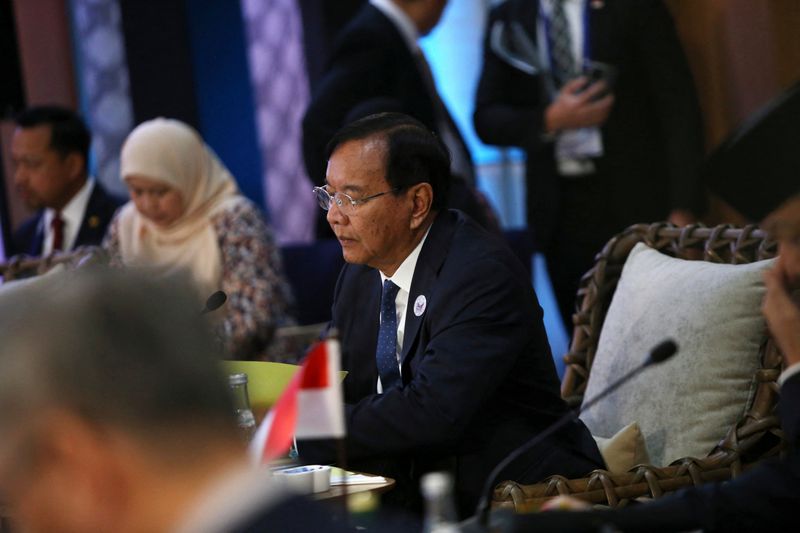
Cambodia’s decision to invoke the rarely used conciliation procedure under UNCLOS rather than direct bilateral talks or ASEAN mechanisms signals a deliberate shift toward external legal leverage. The Phnom Penh Post frames the filing as a calculated assertion of Cambodian rights in waters that hold potential hydrocarbon reserves, presenting it as navigation through uncharted legal waters to strengthen Phnom Penh’s position. By contrast, the US-based WHBL explainer focuses on the procedural obscurity of the mechanism itself, treating the story as an illustration of how states can activate little-known UN pathways when bilateral progress stalls. Both outlets record the same core event and note Thai Prime Minister Anutin Charnvirakul’s claim of surprise, yet the Cambodian piece supplies strategic rationale while the American account withholds judgment on motives. This convergence on facts alongside divergence in emphasis reveals how proximity to the dispute shapes coverage: the Cambodian outlet supplies the claimant’s rationale that external reporting omits, while the US outlet supplies procedural context that local commentary assumes readers already grasp. The absence of Thai-sourced material in the cluster further underscores the one-sided initiation of the process, leaving Bangkok’s response to be inferred rather than reported.
2Canada Requests 16-Year Renewal of USMCA Trade Pact
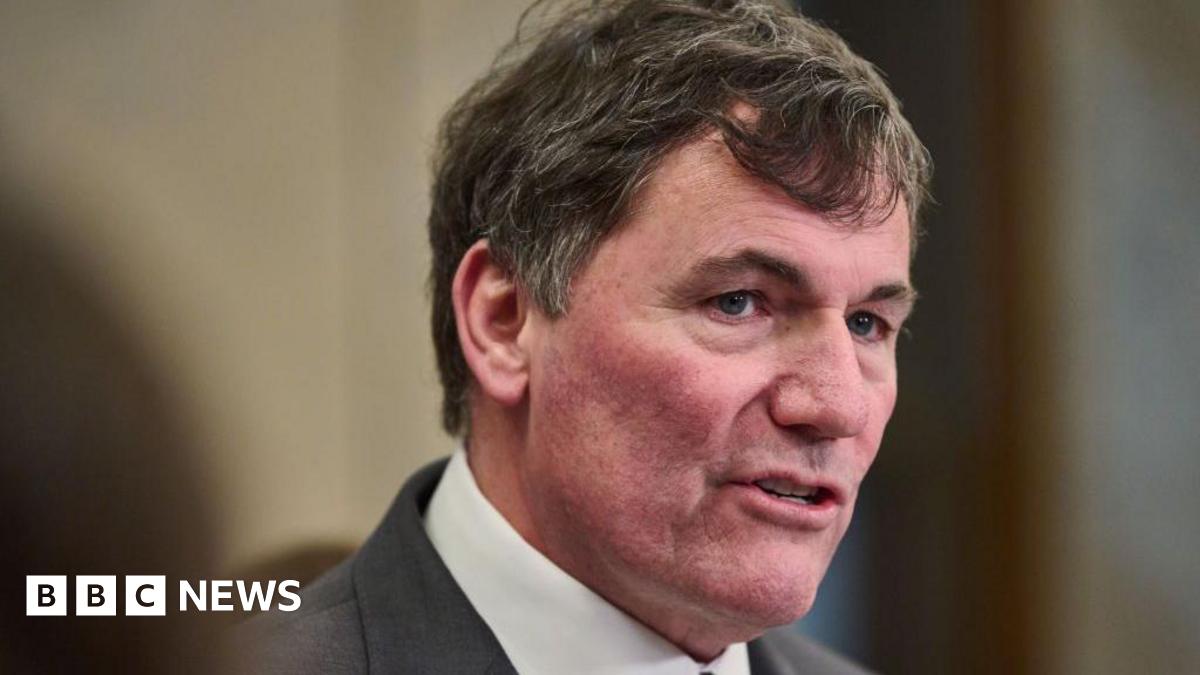
The Canadian move arrives at a moment when Washington is openly weighing new tariffs on multiple trading partners, yet both the BBC and Anadolu Agency reports treat Ottawa’s letter as a straightforward procedural act rather than a defensive maneuver. The BBC frames the request as an effort to lock in diplomatic stability across North America, emphasizing the formal channel and the scheduled Washington meetings. Anadolu instead lingers on Canada’s stated optimism that the 16-year extension can be secured, presenting the language of the letter itself as evidence of confidence. The difference is tonal rather than factual: one outlet situates the story inside the wider pattern of managed alliance relations, while the other isolates Canada’s forward-leaning posture. Neither account references the specific sectoral tariffs Ottawa wants on the table, nor the parallel US tariff threats against Brazil and Mexico that were reported the same week. That shared omission suggests the outlets are reading the Canadian letter primarily as an assertion of continuity rather than as a bid to constrain future US leverage. The result is coverage that registers the procedural milestone but leaves the underlying bargaining pressure—tariffs, review timelines, and the 2028 US election cycle—largely unexamined.
3Sheinbaum Tells U.S. Ambassador to Avoid Mexico’s Domestic Politics
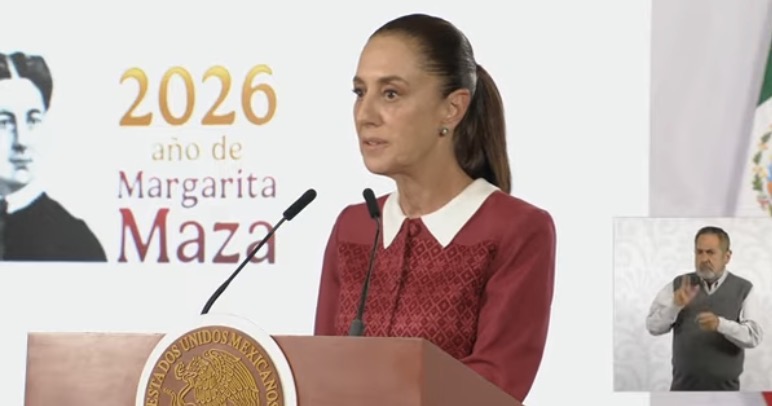
The Mexican outlet frames the exchange as a necessary defense of sovereignty, casting Johnson’s public appeal as an overstep that touches domestic political sensitivities around cartel policy. This angle aligns with longstanding Mexican caution over U.S. officials shaping internal debates, especially under a president who succeeded López Obrador and must manage relations with both Washington and powerful domestic actors. By contrast the U.S. wire service presents the moment as routine diplomatic friction, focusing on the ambassador’s call for coordination without dwelling on sovereignty claims. The divergence reveals how proximity shapes emphasis: Mexican coverage treats any U.S. public statement on cartels as potentially intrusive given the Sinaloa Cartel’s deep local entanglements, while the American account views the same statement as standard exhortation for joint enforcement. Both accounts nevertheless converge on the core sequence—Johnson’s post followed by Sheinbaum’s direct reply—indicating that the underlying tension over who sets the terms of anti-cartel cooperation remains unresolved and politically charged on both sides of the border.
4Trump Proposes 25% Tariffs on Brazil Over Trade Practices
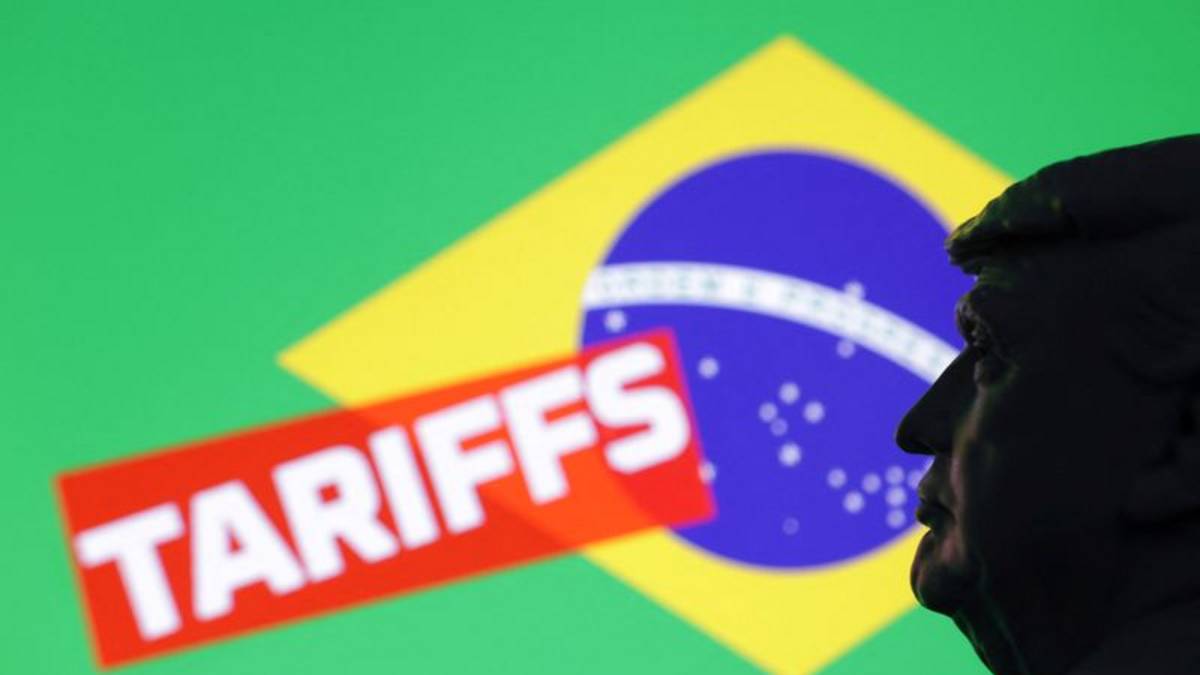
The most revealing split is not between support and opposition but between those who treat the tariff proposal as a hemispheric event and those who treat it as a strictly Brazilian domestic problem. El Destape places the measure inside a long pattern of US economic leverage over Latin American governments, presenting it as continuity rather than rupture. Proceso widens the frame further by linking the Brazil tariffs to simultaneous USMCA renegotiation pressure on Mexico and Canada, implying a single US strategy of using Section 301 across the Americas. Gazeta do Povo, by contrast, barely mentions the justification or regional context and instead tracks how Flavio Bolsonaro and the PL party are positioning themselves to negotiate exemptions or delays, turning the story into an intra-Brazilian political contest. This divergence tracks the outlets’ primary audiences: Argentine and Mexican readers receive a narrative of shared vulnerability, while the Brazilian conservative paper assumes readers care most about how opposition figures can blunt the blow. The absence of any source framing the tariffs as legitimate reciprocity underscores how little appetite exists in the region for accepting the US rationale at face value, even among outlets normally critical of Lula.
5Russia Rejects Romanian Drone Claims at UN Security Council

The unusual breadth of condemnation—fifty-six countries joining Romania—points to more than routine diplomatic theater. It suggests NATO members and partners see value in locking in a public record of Russian overflight at a moment when supply lines to Ukraine remain under pressure and European airspace rules are being tested daily. German coverage from dw.com frames the exchange as a direct alliance test, underscoring how Berlin views any Romanian incident as immediately relevant to collective defense commitments rather than a bilateral Romanian-Russian matter. By contrast, the Canadian French-language summary from tolerance.ca stays inside the procedural lane, recording the statements without attaching them to NATO infrastructure or Black Sea security. That difference is not accidental. German public broadcasting operates inside a political culture that treats Russian military activity near alliance borders as an immediate institutional concern, while a Canadian outlet serving Francophone readers has less incentive to foreground alliance mechanics and more room to present the session as another UN procedural clash. Both accounts nevertheless converge on the same core sequence: Russian denial, Romanian accusation, and a wide chorus of support for Bucharest. The convergence itself is the signal. When outlets separated by language, distance, and editorial tradition describe the same set of statements and the same tally of supporting states, the episode registers as settled diplomatic fact rather than contested narrative. That consensus, reached within hours inside the Security Council chamber, matters more than the modest variance in emphasis between the two reports.
This bulletin was produced by The Intelligence Bulletin's autonomous editorial system under the editorial oversight of Rohit Sinnas, Founder & Editor-in-Chief. How it works →
That’s how the world told the story.
Get tomorrow’s bulletin by email — one briefing, up to six stories.
Subscribe freeNo spam. One-click unsubscribe. See the latest email →