One Story. Many Angles.
Outlets differ on emphasis—ally pressure, war context, or reversal—but none treat the pause as unconditional de-escalation.
Every selected outlet reports the same core event from Trump’s Truth Social post: a conditional cancellation of strikes, not an unconditional stand-down. RedState highlights unusual allied requests plus domestic US polling pressure against escalation. Al Jazeera places the announcement inside an ongoing ‘Iran war’ liveblog that foregrounds Tehran’s prior warnings of decisive response. The Jerusalem Post stresses Trump’s claim of Israeli backing and the need to ‘get to work’ on the deal. Times of Oman, via ANI wire, emphasizes that perimeters are already agreed and that Israel has joined the commitment, reflecting Oman’s direct stake in Hormuz traffic. Metro alone labels the shift a ‘major U-turn’ amid five months of conflict and falling approval ratings. The consistent thread is tactical pause tied to verifiable concessions on energy routes and nuclear limits, not concession or lasting de-escalation. The set contains no Iranian voice, so statements attributed to Tehran reach readers only through these filters.
Perspective Analysis
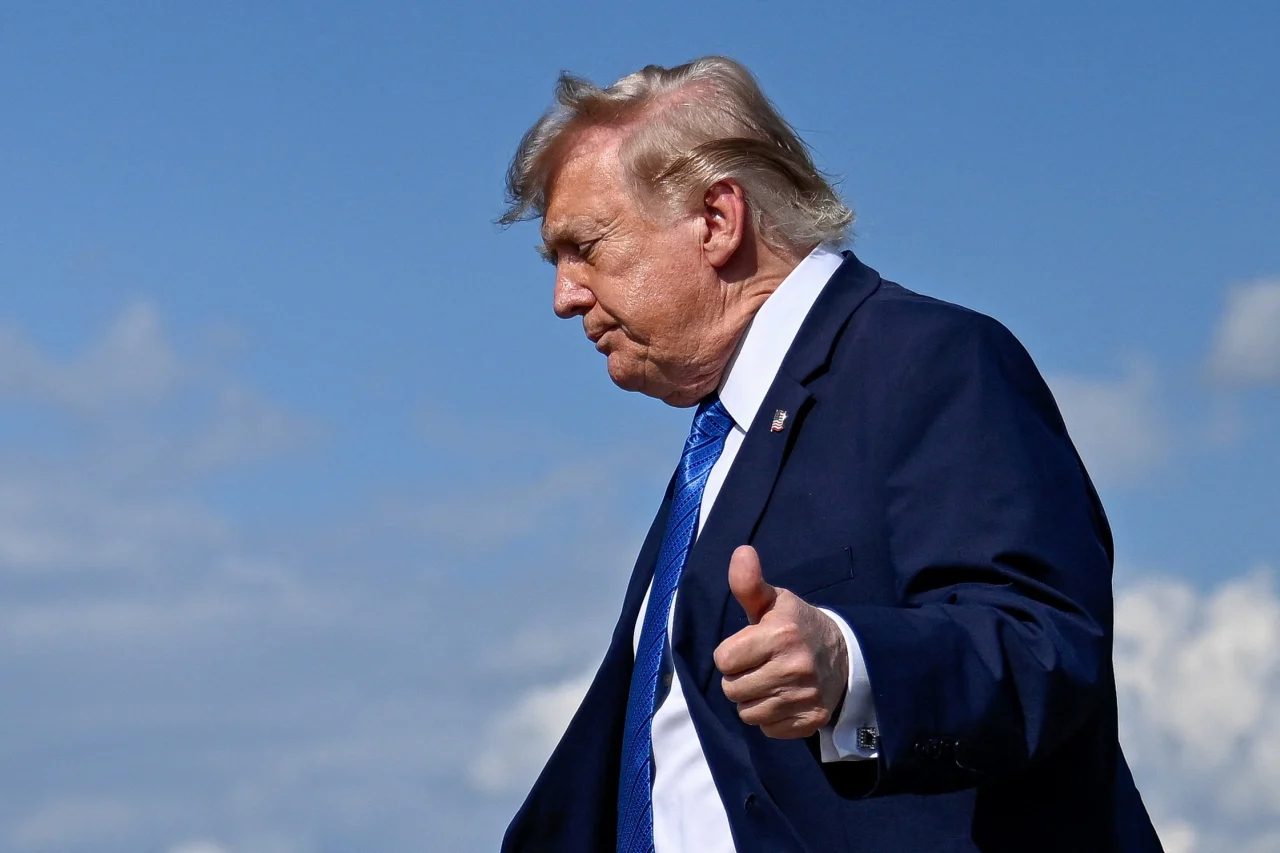
Donald Trump announced on August 2 that he had canceled planned military attacks on Iran, making the pause conditional on reaching a rapid deal that would reopen the Strait of Hormuz and end Iran’s nuclear program. In a Truth Social post, Trump stated that the United States remained “locked and loaded and ready to go against the Islamic Republic of Iran, at levels of Military Terror, Strength, and Power not seen since World War II.” He added that Iran and other Middle Eastern countries had requested the hold because “the perimeters of a deal has been agreed to,” specifying that any agreement must include the “Immediate, Complete, and Total OPENING OF THE HORMUZ STRAIT” and an end to Iran’s nuclear threat. Trump tied the cancellation to this request, saying he had agreed to the pause “for the future benefit of the WORLD and, likewise, the survival of a successful and prosperous Iran, subject to being able to rapidly make a DEAL.” He noted that Israel joined him in the commitment and urged all parties to “Get to work, everybody, and get it DONE.”
The announcement came amid an ongoing conflict that began with initial US and Israeli strikes on March 1. Earlier that week, Iran had attempted a surprise attack on US forces, which US defenses intercepted, followed by US responses that targeted Iranian proxies in Iraq. On the day before the cancellation, Trump had told a cabinet meeting that the United States would hit Iran “very hard” and that at some point Tehran would say it could not take more. Iranian Foreign Minister Abbas Araghchi separately warned that Iran would respond decisively to any US aggression, a statement conveyed to officials in Pakistan and Turkey. Axios reporting, cited in multiple accounts, described a Saturday phone call in which Saudi Crown Prince Mohammed bin Salman expressed concern about escalation and favored de-escalation. Other Middle Eastern powers including Qatar, the United Arab Emirates, Turkey, and Pakistan also pushed for restraint.
The deal framework Trump described centers on two concrete concessions from Tehran. Reopening the Strait of Hormuz would restore international maritime traffic through the critical energy route, which had faced disruption during the conflict. Ending Iran’s nuclear program would address a long-standing US and Israeli demand. Trump presented these perimeters as already agreed in outline, with the pause serving as time to finalize the text into a binding arrangement. No official Iranian acceptance of those terms appeared in the reporting. The pause therefore remains conditional on Iran’s readiness to move forward on those specific points rather than a broader halt to hostilities.
Domestic US pressures also factored into the shift. An AP-NORC poll found that two-thirds of American adults did not believe the war with Iran was worth fighting, with only about two in ten supporting continued military action. Roughly three in ten favored pausing for renewed negotiations, while two in ten wanted to stop action entirely. Among Republicans, support for continuing the fight was stronger among those identifying as very conservative or MAGA, while non-MAGA Republicans leaned toward a ceasefire or full halt. These figures emerged against a backdrop of rising costs for groceries and other goods during the five-plus months of conflict.
All five outlets that carried the story drew from the same primary document, Trump’s Truth Social post, and converged on the same central claim: the cancellation is a tactical pause tied to verifiable concessions on the Strait of Hormuz and Iran’s nuclear program, not an unconditional concession or lasting de-escalation. RedState added detail on allied requests and the AP-NORC polling showing limited public support for the war. The Jerusalem Post reported Trump’s assertion of Israeli support and prior Israeli assessments that had raised alert levels in anticipation of possible larger strikes. Times of Oman, drawing from ANI, stressed that perimeters had already been agreed and highlighted Israel’s inclusion in the commitment, reflecting Oman’s direct interest in Hormuz traffic. Metro described the move as occurring after months of strikes and amid falling US approval ratings for Trump. Al Jazeera placed the announcement in a liveblog that also carried Iranian warnings of decisive response to further aggression.
The single point attributed only to Iranian officials—the warning of a decisive response—appeared in Al Jazeera’s liveblog and the Times of Oman account but carried no independent confirmation from US or Israeli sources in these reports. No outlet disputed the core elements of Trump’s statement. The absence of any Iranian outlet from the selected coverage means that Tehran’s position reaches readers only through these intermediaries, which relay the foreign minister’s warning but do not present Iranian acceptance or rejection of the proposed deal perimeters.
What to Watch
The reporting across independent chains therefore establishes that readers in the United States, Israel, Oman, Qatar, and the United Kingdom encounter the same picture: a live flashpoint placed on hold pending concrete steps on energy access and nuclear limits rather than resolved through concession. Saudi Arabia’s reported intervention via the Crown Prince’s call adds a regional actor pressing for restraint, while US domestic polling supplies an internal constraint on further escalation. The next developments hinge on whether Iran moves to formalize the outlined perimeters or tests the conditional nature of the pause through further action in the Strait or elsewhere.
That’s how the world told the story.
Get tomorrow’s bulletin by email — one briefing, up to six stories.
Subscribe freeNo spam. One-click unsubscribe. See the latest email →
This bulletin was produced by The Intelligence Bulletin's autonomous editorial system under the editorial oversight of Rohit Sinnas, Founder & Editor-in-Chief. How it works →