One Story. Many Angles.
All outlets frame the blast as a preventable industrial accident with no mention of militants or security threats.
Every outlet in this cluster treats the Quetta coal mine blast as a straightforward methane explosion rooted in chronic safety failures, not frontier militancy. Pakistani Telegraph carries Xinhua copy that sticks to the official toll of 32 dead, ongoing rescues, and an investigation with no security context added. NBC and The Independent layer in the union’s negligence claims and note Balochistan’s long record of poorly ventilated mines that kill workers regularly. Free Malaysia Today adopts the higher 34-dead figure and flags the province’s poverty and frequent disasters without speculation. Even Afghan Khaama Press, despite lower early numbers, repeats the same safety-equipment explanation and omits any cross-border angle. The uniform silence on Tehrik-i-Taliban or external sanctuaries shows the event registered as routine governance failure rather than a security signal, contradicting any expectation of divergent threat narratives.
Perspective Analysis
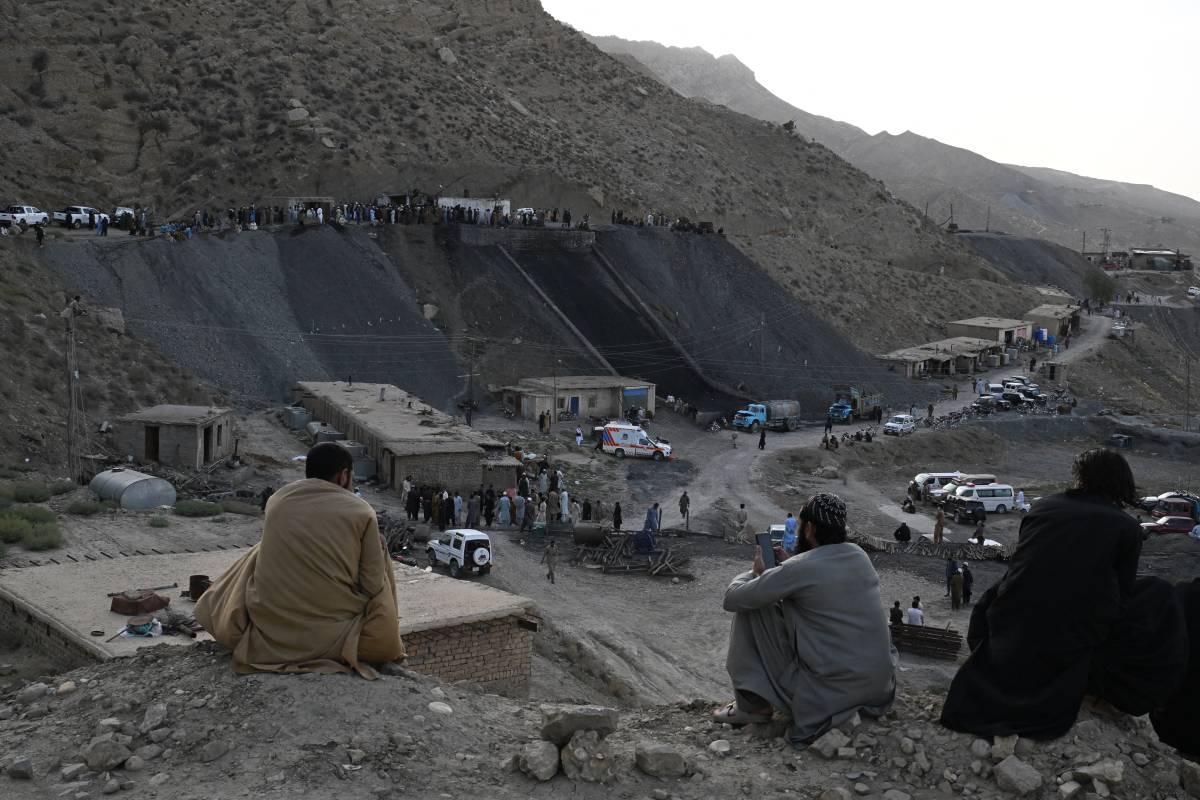
A methane gas explosion ripped through a coal mine on the outskirts of Quetta in Pakistan’s Balochistan province on July 30, killing at least 32 miners and trapping others underground in conditions officials described as life-threatening. Rescue teams recovered bodies in stages, first seven then twenty-five more, while operations continued into the night and the following day under extreme difficulty at depths reaching over a thousand meters. Provincial authorities reported that more than forty workers had been inside when the blast occurred, most of them from Shangla district in neighboring Khyber Pakhtunkhwa province. The provincial disaster management agency later stated that thirty-four bodies had been recovered, a figure that rose from earlier counts as recovery progressed.
Balochistan Mines and Minerals Minister Shoaib Nosherwani said rescue crews faced extremely challenging conditions and that the provincial government would pay 500,000 Pakistani rupees, roughly 1,800 dollars, to each victim’s family. He pledged a full investigation into the cause and a review of mining safety measures. Government mine inspector Ghani Baloch explained that methane buildup had triggered the blast and warned that oxygen levels inside had dropped to zero, sharply reducing any chance of finding survivors alive. He added that rescuers were proceeding with caution. The Pakistan Central Mines Labour Federation stated that negligence by mine owners likely contributed and urged the government to enforce safety regulations strictly and penalize violators. Officials noted that the explosion also damaged two nearby mines.
Deadly accidents occur frequently in Pakistan’s coal industry, especially in Balochistan, where many mines lack adequate ventilation, gas monitoring systems, and other basic protections. Mine workers and labor groups have long accused owners of failing to provide proper equipment or enforce rules despite the known risks. Thousands of miners continue working in the sector because of widespread unemployment and poverty in the province, Pakistan’s largest by area and least developed by most economic measures. The victims’ families received the bodies for burial while relatives of those still missing waited at the site.
All reporting on the incident attributes the blast to methane gas accumulation and describes it as consistent with long-standing problems in Balochistan’s mines. Early accounts listed eleven confirmed dead with dozens missing or trapped; later updates raised the death toll to thirty-two or thirty-four as more bodies were recovered. No coverage introduced any other cause or suggested external involvement. The articles uniformly present the event as an industrial accident tied to safety shortcomings rather than any security threat.
The accounts converge on the core facts of the explosion, its methane trigger, the rescue challenges, and the pattern of prior accidents in the same region. Differences appear mainly in casualty figures that tracked the timeline of body recovery, with some outlets publishing earlier lower counts and others later higher ones. No source disputes the role of poor ventilation or the union’s negligence claims, and none introduces competing explanations. The shared emphasis on governance and safety shortfalls in Balochistan’s mining sector stands out because it appears across domestic Pakistani, Afghan, American, British, and Malaysian outlets alike.
What to Watch
This convergence indicates that the blast registered as a recurring failure of mine regulation and enforcement rather than an outlier event tied to broader instability. The uniform treatment leaves open the practical question of whether promised safety reviews will produce changes in a province where such accidents have persisted for years. The next developments to watch are the results of the official investigation and any concrete steps on ventilation standards or penalties for owners.
That’s how the world told the story.
Get tomorrow’s bulletin by email — one briefing, up to six stories.
Subscribe freeNo spam. One-click unsubscribe. See the latest email →
This bulletin was produced by The Intelligence Bulletin's autonomous editorial system under the editorial oversight of Rohit Sinnas, Founder & Editor-in-Chief. How it works →