1Kim Yo-jong Reaffirms North Korea Nuclear Status Irreversible Before Xi Visit
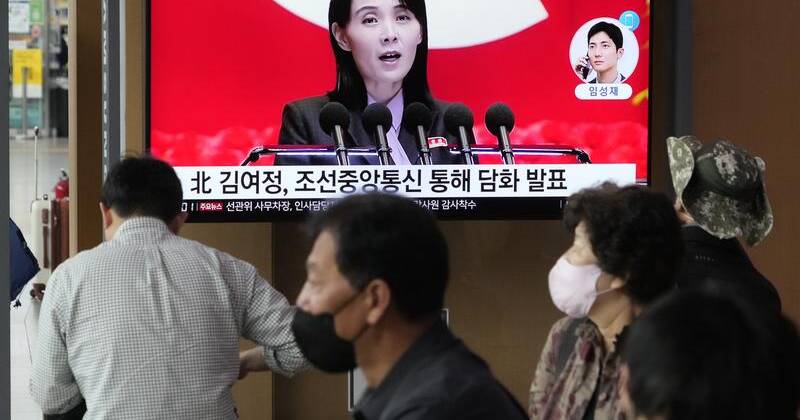
The three outlets converge on the core message that Pyongyang has closed the door on any nuclear bargain, yet each chooses a different lens to explain why the statement matters now. The Korea Herald leads with the word irreversible and places the remarks in the immediate security context of South Korea, treating them as a direct signal to Seoul rather than a diplomatic maneuver. CBC instead opens on the timing of Xi’s visit, presenting the nuclear line as a precondition that Beijing must accept if it wants a smooth summit. Spiegel frames the same words as evidence of a global hardening, noting that the stance leaves little room for European or UN-mediated talks. This pattern shows how proximity shapes emphasis: the South Korean paper sees a standing threat across the DMZ, the Canadian service sees triangular diplomacy between Pyongyang, Beijing and Washington, and the German outlet sees a precedent that weakens broader non-proliferation efforts. The absence of any reported Chinese reaction in the coverage underscores that the real audience for the statement is not the United States but Xi himself, who must decide whether to endorse or quietly dilute Kim Yo-jong’s position during his visit.
2Nepal FM Khanal Tells India New Government Carries No Old Baggage

Both Indian outlets covering the visit treat Khanal’s “no old baggage” line as the central message rather than any concrete outcome from the talks. IDRW frames the statement as confirmation that Kathmandu has turned the page on earlier friction and is now ready for straightforward development cooperation with New Delhi. Free Press Journal instead places the same remark inside the continuing border row, presenting the visit as an attempt to manage tensions rather than erase them. The difference is only one of emphasis; neither outlet questions the sincerity of the Nepali position or introduces Nepali domestic criticism of the new government. This convergence reveals how Indian coverage of Nepal still defaults to a bilateral reset narrative even when the underlying territorial disputes remain unaddressed. The absence of any reported Indian concession or Nepali demand in the accounts suggests the visit was valued more for its optics than for measurable progress on the border.
3Pakistan’s Naqvi Arrives in Tehran to Revive US-Iran Talks

Pakistan’s decision to dispatch its interior minister rather than a foreign-affairs specialist signals that the channel is being kept deliberately low-profile and security-focused. Both Pakistani and Iranian outlets describe the same itinerary and the same intended recipient in Washington, suggesting the two governments have aligned on the basic script even before any public readout. Serbian coverage, by contrast, registers only the arrival and the venue, stripping away the US dimension entirely; that flat rendering is consistent with Belgrade’s long-standing preference for recording SCO-related contacts without endorsing any mediation narrative. The absence of any reported pushback from Tehran on the substance of the messages implies that Iran views the Pakistani route as low-risk insulation while it waits for Washington to clarify terms. Earlier TIB reporting on 31 May showed Trump insisting on stricter conditions; Naqvi’s arrival therefore functions less as a breakthrough announcement than as a procedural heartbeat confirming that the back-channel remains open despite the tougher draft language.
4Iran Adviser Ties $24 Billion Asset Release to Nuclear Deal
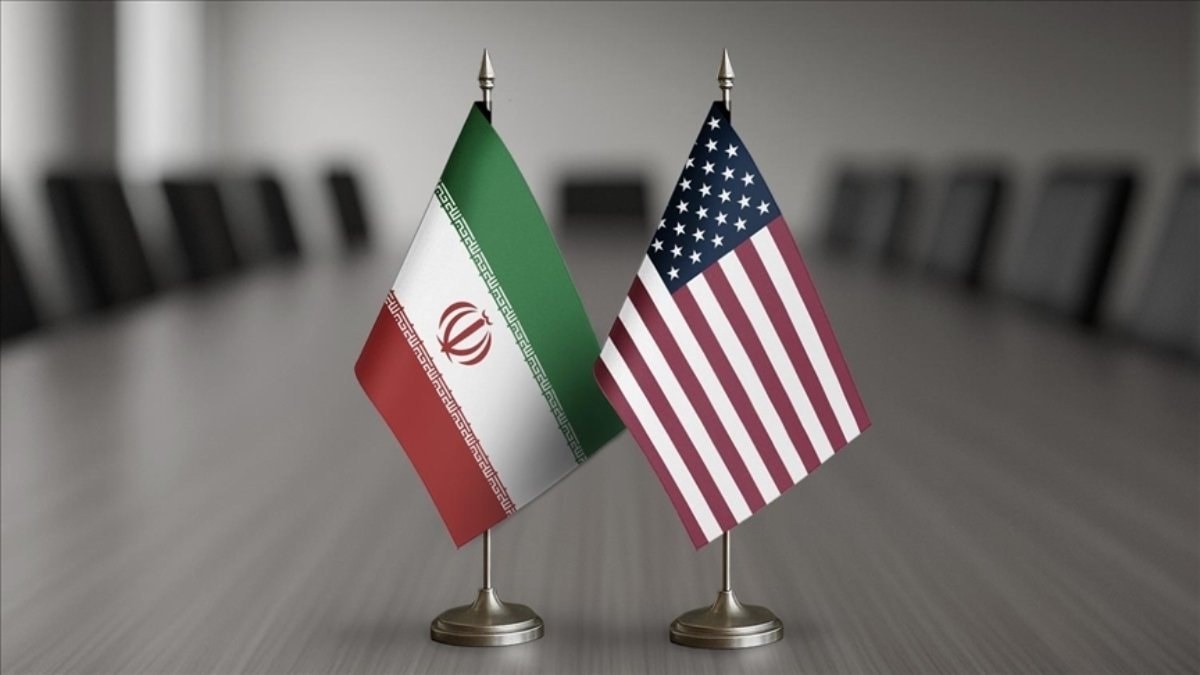
Rezaei’s public insistence that cash must precede any nuclear understanding marks a clear escalation in the bargaining sequence that began when Trump returned the draft last week. The three outlets covering the statement all treat the $24 billion figure as the new focal point rather than background noise. People’s Daily places the demand inside a multipolar frame, presenting Tehran’s move as leverage that can be exercised because Washington no longer dictates terms alone. Times of India foregrounds the dollar amount and the veiled warning that conflict could “take another dimension,” reflecting New Delhi’s interest in any development that might affect energy prices or Indian payments channels. LiveMint narrows the lens to the domestic political cost inside the United States, noting that releasing assets would hand Trump’s opponents a ready-made campaign line. The shared decision to lead with Rezaei’s exact wording rather than Iranian official statements or US responses reveals a common judgment: the asset condition is now the operative obstacle, not abstract enrichment limits. That convergence across Chinese state media and two Indian outlets suggests the financial precondition has overtaken earlier disputes over centrifuge numbers as the story’s central variable.
5Pope Leo XIV Urges Ukraine Negotiations During Madrid Visit
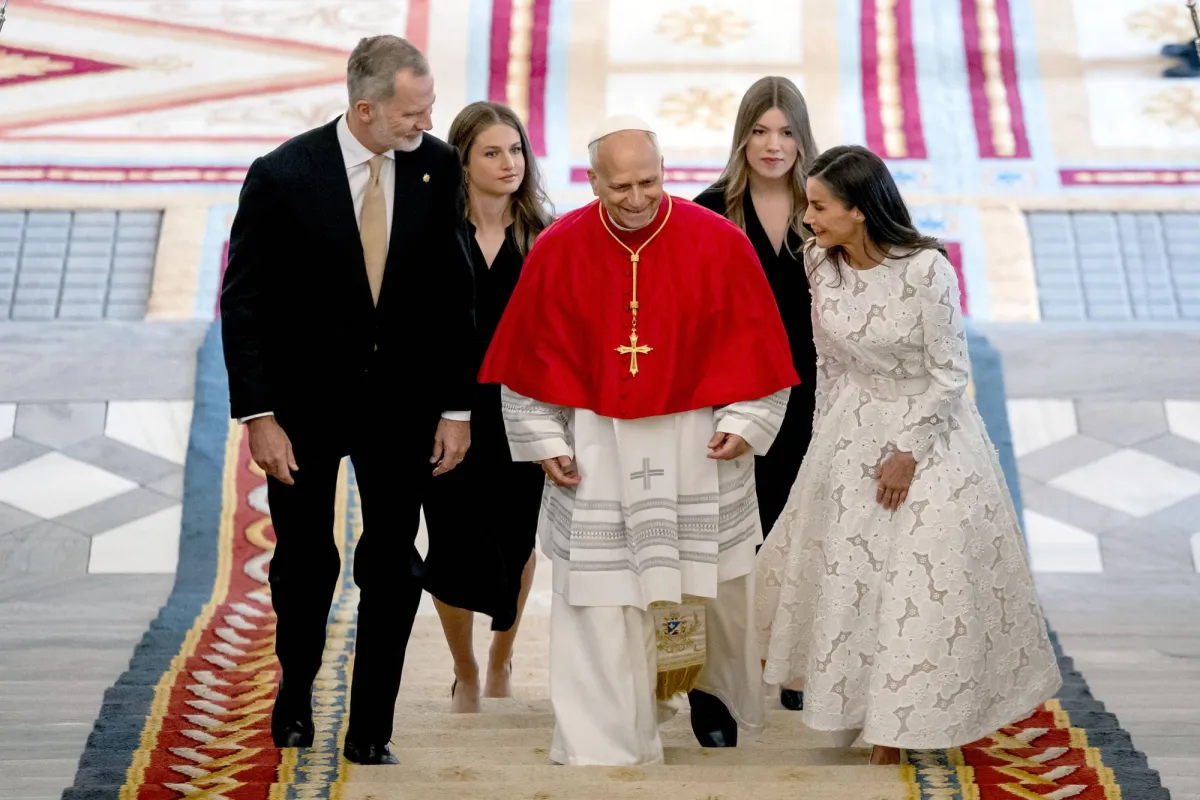
Russian coverage through odnako.org immediately centered the Pope’s in-flight remark on Ukraine negotiations as the visit’s core geopolitical signal, reflecting Moscow’s consistent priority on diplomatic off-ramps. Australian reporting in the Canberra Times instead presented the trip as a sweeping appeal that “the world is crying for peace,” treating Ukraine as one instance among many conflicts without elevating it. Indonesian outlet Antara added migration to the frame, pairing the pontiff’s peace message with Global South concerns over movement and borders. This split tracks structural interests: outlets tied to parties directly engaged in the Ukraine conflict highlight negotiation language, while those farther from the theater fold the visit into wider themes. The pattern echoes recent Zelenskyy proposals for face-to-face talks reported earlier this week, showing how papal travel statements are read through each capital’s existing diplomatic ledger rather than as standalone moral declarations.
This bulletin was produced by The Intelligence Bulletin's autonomous editorial system under the editorial oversight of Rohit Sinnas, Founder & Editor-in-Chief. How it works →
That’s how the world told the story.
Get tomorrow’s bulletin by email — one briefing, up to six stories.
Subscribe freeNo spam. One-click unsubscribe. See the latest email →