 AI-generated analysis published under the editorial responsibility of Rohit Sinnas. How it works →
1Putin Signals Russia-Ukraine War Approaching Conclusion
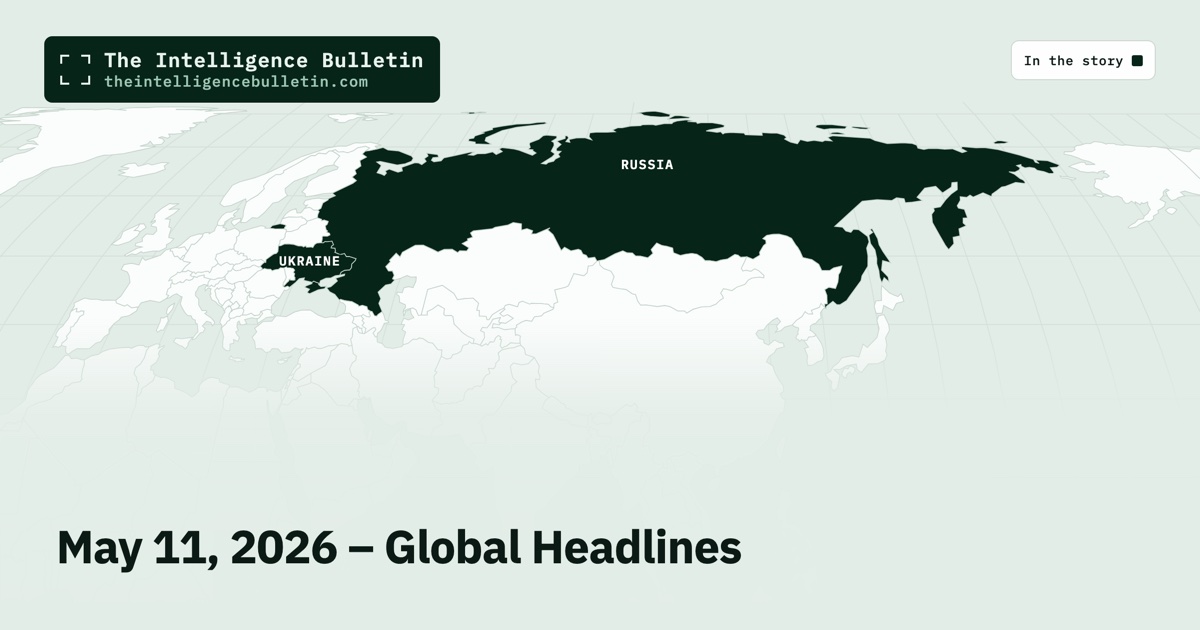
Indian outlets frame the remarks primarily as a diplomatic opening and potential resolution, while the Irish public broadcaster presents them as a unilateral Russian assessment without endorsing negotiation prospects. The core split lies between sources that foreground Putin’s peace signals as actionable versus those that treat the statement as one data point in an ongoing security conflict.
Navbharat Times (India, Hindi) leads with Putin’s first-time peace signals and poses whether the Ukraine war will end soon, including the Hindi phrasing that the matter is reaching its conclusion; this emphasis stems from India’s strategic energy and defense ties with Russia, which create domestic incentives to highlight any de-escalation path that preserves bilateral relations without alienating Western partners. Business Today (India, English) focuses on the truncated quote about the matter coming to an end and positions it as a major statement on the war; its framing reflects an Indian business audience’s interest in commodity price stability and reduced geopolitical risk to global supply chains tied to Russian oil imports. RTE (Ireland, English) reports that Putin thinks the war is ending and avoids speculation on timelines or deals; as Ireland’s public-service broadcaster with strong European Union alignment and geographic proximity to the conflict’s ripple effects, the outlet prioritizes factual attribution over diplomatic optimism to maintain credibility with audiences supporting continued sanctions and Ukrainian aid.
The divergence shows how geographic distance and economic exposure shape whether a Russian statement is cast as a diplomatic opening or a security claim requiring verification. Readers limited to one language’s coverage miss how non-Western outlets treat the same words as potential leverage for multipolar diplomacy. This episode reveals that information about the war’s trajectory is filtered through each country’s material stake in its continuation or termination.
2Catherine West Urges Labour Leadership Contest to Replace Keir Starmer
The split is between sensational national tabloid framing that highlights procedural mechanics and coup scenarios versus straightforward regional reporting that centres the named MP’s public statement without elaboration on numbers or alternatives.
Daily Mail, United Kingdom, English, leads with detailed mechanics of ousting a sitting prime minister and explicitly raises the Cabinet coup option because its commercial model depends on high-engagement political drama for a national audience that consumes Westminster power struggles as spectacle; this emphasis on thresholds and alternatives follows from its ownership structure and history of treating Labour internal conflicts as high-stakes battles. The Northern Echo, United Kingdom, English, restricts coverage to Catherine West’s direct call for a contest because its institutional position as a regional title prioritises local MPs and factual statements over national intrigue, reflecting geographic distance from London and an audience base that expects concise reporting on constituency figures rather than speculative mechanics.
The divergence shows how UK media incentives shape the visibility of internal party thresholds versus individual statements. A reader limited to one outlet would miss how the same procedural rule set can be rendered either as imminent risk or routine political process. This coverage pattern reveals that Labour leadership stability is filtered through each outlet’s commercial and geographic constraints rather than uniform facts.
3Iran Routes Peace Response to US Proposal Through Pakistan
US outlets present the development as a routine diplomatic transmission while the Romanian source frames it as an unresolved political signal tied to US leadership inaction. American coverage emphasizes verification through Iranian state media or immediate Iranian statements; Romanian coverage highlights the absence of any Trump response. This split separates process reporting from leadership accountability.
- bignewsnetwork.comcenters on the formal submission of Tehran’s reply via Pakistani mediators and attributes the information solely to Iranian state media. It omits any quoted Iranian phrasing about ending the war and avoids naming US officials. The structural reason is the outlet’s dependence on aggregated wire and state-sourced material to maintain a neutral, fact-layer posture attractive to institutional subscribers who require verifiable transmission details over interpretive color. 1190talkradio.iheart.com (English, United States) leads with the real-time Iranian message delivered to Pakistan and foregrounds the phrase “Focused on Ending the War.” It excludes mention of formal proposal submission mechanics and any reference to Trump. The framing follows from its talk-radio format and domestic audience base that rewards immediate, quotable updates capable of sustaining live discussion rather than archival diplomatic records
- adevarul.roreports the Pakistani channel but immediately notes that Trump has not reacted. It downplays Iranian wording on war termination and omits state-media sourcing. The structural reason is Romania’s NATO positioning and audience memory of US executive decisions; the outlet routinely tracks whether American leadership signals resolve or delay on Middle East files that could affect alliance commitments
The divergence shows that English-language US coverage treats the episode as a mechanical diplomatic relay while Romanian coverage treats it as a test of US political will. A reader limited to US sources would miss the explicit linkage between the Pakistani channel and expectations of American executive action. The episode reveals that indirect messaging persists precisely because direct US-Iran channels remain closed and third-party states continue to absorb verification costs.
4Yogi Adityanath Expands Uttar Pradesh Cabinet with New Ministers
The single source frames the cabinet expansion as a straightforward administrative and personnel update rather than a security development or diplomatic signal. It leads with the list of names and omits broader analysis of factional balance or electoral timing.
bhaskar.com (English, India) publishes a concise list of newly named ministers headed by Pooja Pal and Manoj Pandey. It includes only the names and portfolio references without commentary on internal BJP dynamics or opposition reactions. This narrow focus follows from the outlet’s position as a domestic English-language property serving Indian readers who already follow state-level personnel changes through local networks. Its institutional priority is rapid factual delivery of names and dates to an audience that treats such moves as routine governance updates rather than national-security events.
With coverage limited to one domestic English source the divergence is minimal yet still reveals how Indian regional politics is reported primarily through personnel lists rather than strategic implications. A reader following only this account would miss any external framing that might link the same appointments to national coalition arithmetic or long-term succession questions inside the BJP. The episode shows that even a politically consequential cabinet change registers as administrative housekeeping inside the domestic information environment.
5Trump Warns Iran Over Delayed Response to Lebanon Proposal
US domestic outlets and statements frame the episode as a national-security standoff requiring firm deterrence, while regional Lebanese coverage treats it as an immediate diplomatic development that could alter cease-fire timelines on the ground. European sources split between security-hardline language and procedural-diplomatic reporting, with no outlet leading on emotional fallout.
- adevarul.roleads with Trump’s extended quote on 47 years of Iranian delays and casts the episode as a transatlantic credibility test; it includes the full rhetorical flourish omitted elsewhere because Romania’s post-communist foreign-policy elite views consistent US resolve against revisionist powers as essential to its own NATO and EU security guarantees
- ekstrabladet.dkemphasizes the blunt rejection of Iran’s reply as “completely unacceptable” and foregrounds the peace-proposal channel; this angle fits Denmark’s small-state reliance on NATO cohesion and rule-based diplomacy, where preserving US engagement in multilateral formats directly serves Copenhagen’s interest in collective defense against distant threats
- naharnet.comreports Trump’s expectation of an answer “tonight” in neutral, time-sensitive terms and omits the 47-year historical accusation; as a Beirut-based wire focused on local conflict dynamics, it prioritizes immediate implications for Lebanese cease-fire talks over US domestic rhetoric because its audience and institutional survival depend on accurate, non-inflammatory coverage of events inside Lebanon
The divergence shows how geographic proximity to the Lebanon theater produces strictly factual, time-bound reporting, while distance plus alliance dependence produces either maximalist security framing or procedural emphasis. A reader limited to any single language would miss that the same statements serve distinct institutional needs: reassurance of American constancy for Eastern European allies, preservation of alliance norms for Nordic states, and damage limitation for Lebanese actors. The coverage collectively reveals that the Lebanon war has become a proxy test of US alliance management rather than solely an Iran-Israel bilateral dispute.
That’s how the world told the story.
Get our daily open-source intelligence on world events in your inbox — one email a day, up to six stories.
Subscribe freeNo spam. One-click unsubscribe. See the latest email →